Hardware Material Types for Home Projects
Starting a new home improvement project? If your project includes hardware, you need to be careful what you choose. The right hardware makes all the difference when it comes to strength, appearance, and durability.
There are multiple materials available from which you can choose. This blog aims to explore the important hardware material types homeowners can use for their projects.
Steel Hardware for Strength and Versatility
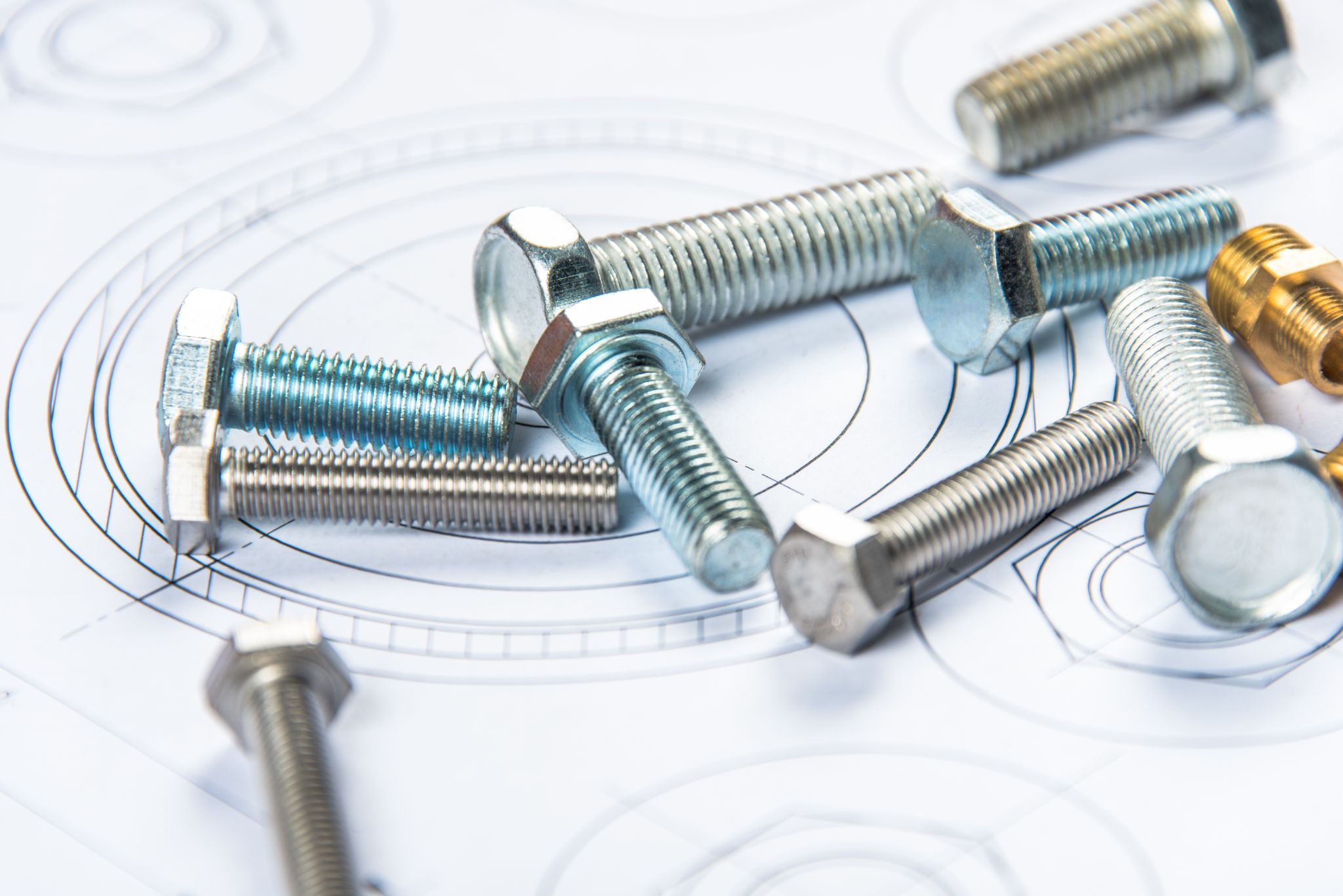
Steel is one of the most commonly used types of hardware in home improvement projects. It is great for strength and is available in different forms, sizes, and finishes.
Its type, carbon steel hardware, is used for general applications, but it can rust when exposed to moisture. Galvanized steel has a zinc coating that helps protect the underlying material from corrosion, making it useful for outdoor use. When choosing steel hardware, consider where it will be used and the expected load it will bear to make the right choice.
Understanding Iron Hardware
Iron is also a commonly used material in home improvement projects. Nowadays, the term “iron” is used to refer to iron hardware and modern products typically made of steel or cast iron.
Iron-based hardware can be great for decorative elements, brackets, and fittings. However, if you use unprotected iron, it can corrode due to moisture exposure. To prevent it, you can use paint and protective coatings to make your hardware last longer.
Metal Angles for Support and Framing
An angle is basically a piece of metal with an L-shaped cross-section. It can be used to build frames and shelves and to connect different components.
A metal angle can be made from different materials. It is available in various dimensions and thicknesses. For small household projects, a standard angle can be sufficient. However, if you want it for massive loads, choose it according to proper engineering requirements.
Stainless Steel for Corrosion Resistance
Stainless steel has become a popular choice because of its resistance to corrosion. It contains chromium, which forms a protective layer on the surface, preventing corrosion.
You can use it for hardware in bathrooms, kitchens, outdoor areas, and essentially every place where moisture is present. There are different grades of stainless steel; therefore, choose the one that is suitable for your environment.
Stainless steel can be more expensive than standard steel. However, its corrosion resistance makes it a better choice for long-term durability.
Aluminum for Lightweight Projects
Another popular hardware material is aluminum. It is significantly lighter than steel. One of its biggest benefits is that it develops a thin oxide layer that protects it from corrosion. Aluminum can be a practical choice for projects where lightweight material is required.
You can use it for brackets, fittings, and frames. However, it cannot be used as a steel substitute because its strengths and durability differ. Moreover, it will not be able to support the same load as its steel counterpart.
Choosing Hardware for Outdoor Use
You need to be careful when choosing hardware for outdoor use because it will be exposed to sunlight, rain, and other weather elements. The material should be corrosion-resistant and durable. The best choices for outdoor use are galvanized steel and stainless steel.
One important factor to consider is material compatibility. Sometimes, direct contact between dissimilar metals can lead to galvanic corrosion. Therefore, use only compatible materials to avoid this problem.