Balance Training Exercises for Fall Prevention
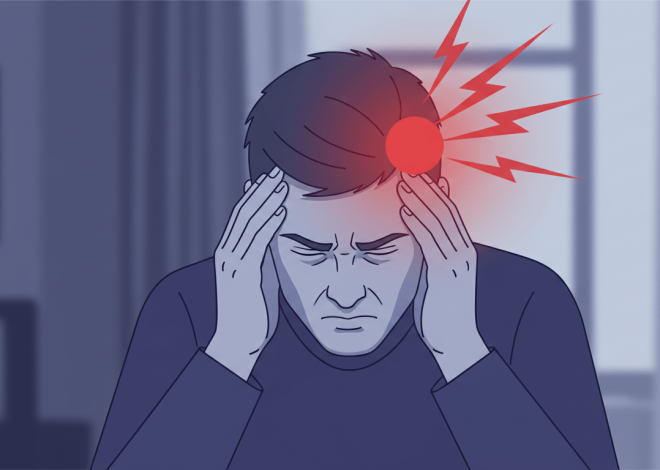
A fall can shrink a person’s life in one afternoon. The grocery trip gets skipped, the stairs start looking suspicious, and a favorite walk around the block becomes something to “try again later.” For many Americans, balance training exercises are not about fitness vanity; they are about keeping normal life from becoming smaller. The CDC reports that more than one in four older adults falls each year, and falls remain the leading cause of injury for adults 65 and older.
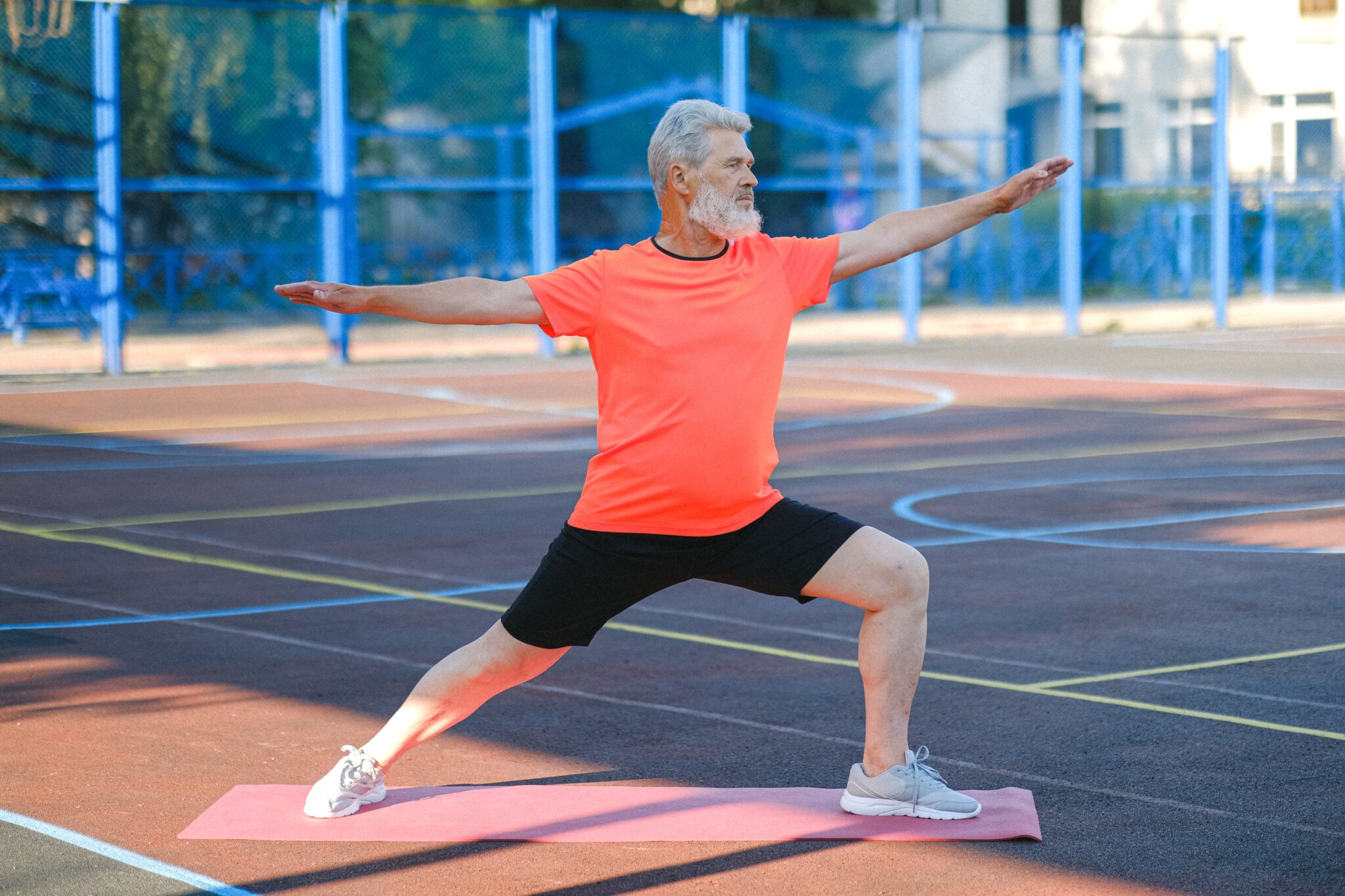
Good balance is not luck. It is a skill your body keeps only when you ask it to work. A chair, a hallway wall, a kitchen counter, and ten steady minutes can begin rebuilding that skill. For readers looking for practical wellness ideas, accessible health resources can help frame prevention as a daily habit rather than a panic plan after the first fall. The goal is not to move like an athlete. The goal is to stand, turn, reach, step, and recover with more control than fear.
Why Fall Prevention Starts Before the First Fall
Most people wait too long to take balance seriously. They treat a stumble as a random accident, then treat the second one as bad luck, then start worrying only after confidence has already taken a hit. Fall prevention works better when it begins before the body sends a warning loud enough to scare you.
Small Balance Losses Hide Inside Normal Routines
Balance problems rarely announce themselves with drama. They show up as a hand touching the wall during a hallway turn, a pause before stepping off a curb, or a sudden need to sit down while putting on pants. These moments look harmless because nothing bad happened. That is the trap.
The body learns from what you avoid. When you stop reaching high shelves, stop walking on grass, or stop using stairs unless someone is nearby, your nervous system gets less practice solving small balance challenges. Over time, ordinary movement feels riskier because the body has fewer recent examples of success.
A practical example sits in many American homes: the laundry basket. Carrying it from the bedroom to the washer asks your ankles, hips, eyes, and core to cooperate while your hands are busy. That task becomes a balance test without looking like one. Training should prepare you for that kind of real movement, not only for standing still in a perfect pose.
Confidence Can Drop Faster Than Strength
Fear after a near-fall can change movement almost overnight. A person may start taking shorter steps, looking down constantly, or avoiding uneven sidewalks. Those changes feel protective, but they can make balance worse because the body loses rhythm and natural stride length.
Senior balance exercises help restore trust because they give the body repeated proof that controlled movement is still available. A supported heel-to-toe stand, a slow side step, or a chair-assisted march teaches the brain that the floor is not the enemy. That lesson matters.
The counterintuitive part is this: moving too cautiously can create more danger. A stiff, tiny step gives you fewer options if your foot catches a rug edge. A smoother, stronger step gives your body more time to correct itself before a stumble turns into a fall.
Balance Training Exercises That Build Real-World Stability
A strong routine does not need to look impressive. It needs to match the way people actually lose balance: turning, reaching, stepping sideways, rising from a chair, and reacting when weight shifts unexpectedly. This is where balance training exercises earn their place, because they train control under safe, repeatable conditions.
Senior Balance Exercises for Everyday Movement
A chair-supported single-leg stand is a good starting point because it exposes the truth without punishing you for it. Stand behind a sturdy chair, hold the back lightly, lift one foot an inch from the floor, and hold for five to ten seconds. Switch sides. The goal is not to impress anyone; it is to notice which side feels less reliable.
Heel-to-toe standing adds another layer. Place one foot directly in front of the other as if standing on a line, then hold the chair or counter as needed. This challenges the narrow base people meet when stepping through tight spaces, moving around furniture, or turning in a crowded kitchen.
Side stepping deserves more respect than it gets. Many falls happen during sideways movement, not while walking forward in a clean line. Step to the right for five slow steps, then to the left for five slow steps, keeping the toes facing forward. This builds hip control, and hip control often decides whether a wobble stops early or keeps traveling.
Strength and Balance Training Belong Together
Weak legs make balance work harder than it needs to. The body can sense a wobble, but sensing it does not help much if the thighs, hips, and calves cannot respond. That is why strength and balance training should live in the same routine.
Chair stands are the cleanest example. Sit toward the front of a sturdy chair, cross your arms or keep hands near the chair for support, then stand up and sit down slowly. This trains the exact motion people use all day, from getting out of a car to rising from a restaurant booth. MedlinePlus notes that exercise can help prevent falls by improving strength, balance, flexibility, and activity tolerance.
Heel raises also carry more value than their size suggests. Holding a counter, rise onto the balls of both feet, pause, then lower with control. Strong calves support walking speed, stair use, and quick corrections. Tiny muscles around the ankles wake up when the movement stays slow, and those muscles often matter when the floor is not perfectly flat.
Making Home Safety for Seniors Part of the Routine
Exercise helps, but the home has a vote too. A person can train every morning and still trip over a loose rug at night. Home safety for seniors works best when it does not turn the house into a hospital room. The aim is a home that supports independence without making every room feel like a warning sign.
Fall Risk Reduction Starts With the Floor
The floor tells the truth about a home. Shoes by the door, curled rug corners, pet toys, extension cords, and glossy bathroom tiles all create small decisions for the feet. Younger adults step around them without thinking. Older adults may still step around them, but the margin for error gets thinner.
Fall risk reduction begins with removing decisions the body should not have to make. Keep walkways open, secure rugs with proper backing, and place frequently used items between waist and shoulder height. The National Institute on Aging advises checking homes for trip hazards, improving lighting, reviewing medicines, and talking with a doctor after falls or balance concerns.
Lighting deserves special attention. A dark hallway at 2 a.m. is not the same hallway your body handled at noon. Motion-sensor night lights, brighter stair bulbs, and a lamp within reach of the bed can prevent the half-awake shuffle that leads to trouble.
Bathrooms Need More Respect Than Fear
Bathrooms combine wet surfaces, hard edges, tight spaces, and awkward reaching. That does not mean the bathroom should become a place of dread. It means the room needs honest design.
Grab bars near the toilet and inside the shower do more than catch a fall. They reduce the amount of balance your body must spend during transfers. A non-slip bath mat, a shower chair, and a handheld showerhead can turn a risky task into a calmer one.
Home safety for seniors also includes footwear choices inside the house. Socks on smooth floors can be a problem, especially during quick bathroom trips. Supportive indoor shoes or grip-bottom slippers give the feet better contact with the ground, and better contact helps the brain read the floor faster.
Building a Habit That Actually Sticks
The best routine is the one a person will still do three weeks from now. Long plans fail when they demand too much energy, space, or memory. Balance work sticks when it attaches to something already happening every day.
Short Sessions Beat Occasional Long Workouts
Ten minutes done most days beats a long session performed once and forgotten. A simple pattern works well: chair stands after breakfast, heel raises while coffee brews, side steps before lunch, and single-leg stands near the kitchen counter in the evening. None of this needs gym clothes.
Mayo Clinic recommends physical activity such as walking, water workouts, and tai chi with a health care provider’s approval as part of fall prevention. Tai chi deserves attention because it trains slow weight shifts, posture, and controlled motion. Those qualities transfer well into daily life.
The unexpected truth is that boredom can be useful. A routine that feels plain may be exactly what the nervous system needs. Repetition teaches the body where the floor is, how weight moves, and how to recover before panic enters the picture.
Fall Risk Reduction Improves When You Track Tiny Wins
Progress in balance does not always look dramatic. It may show up as standing from a chair without pushing hard through the arms, turning in the hallway without grabbing the wall, or walking across a parking lot with less tension in the shoulders. Those wins count.
Keep a simple weekly note: how long you held a supported single-leg stand, how many chair stands felt controlled, and whether one side felt weaker. This turns senior balance exercises into feedback rather than guesswork. It also gives a doctor, physical therapist, or trainer something useful to review.
Strength and balance training should still respect pain, dizziness, numbness, or sudden changes in walking. Those signs deserve medical attention, not stubbornness. Smart training is not about proving toughness; it is about protecting the freedom to move through a normal day without fear.
Conclusion
A safer body is built through small promises kept often. You do not need a perfect program, a fancy device, or a burst of motivation that disappears by Thursday. You need a few steady movements, a safer floor, and the honesty to notice where your body hesitates.
Balance training exercises belong in American homes because they protect the ordinary things people care about most: carrying groceries, visiting family, walking the dog, climbing porch steps, and moving through the house without rehearsing every step in advance. That kind of freedom is worth training for.
Start with one supported movement today. Clear one walkway. Add one light where the house gets dark. Then repeat tomorrow, because fall prevention is not a single decision; it is a quiet daily vote for independence. Make the first vote before fear gets a chance to cast it for you.
Frequently Asked Questions
What are the best balance exercises for seniors at home?
Chair-supported single-leg stands, heel raises, side steps, heel-to-toe standing, and chair stands are strong home choices. They train the ankles, hips, legs, and posture without needing gym equipment. A sturdy chair or counter should stay within reach for safety.
How often should older adults do fall prevention exercises?
Most older adults benefit from short balance practice several days per week, paired with regular walking or strength work. Ten steady minutes can help when done often. Anyone with dizziness, recent falls, or major health changes should ask a health care professional first.
Can balance exercises reduce the risk of falling?
Yes, balance exercises can reduce risk by improving body control, leg response, posture, and confidence. They work best when paired with strength training, safer home setup, medication review, vision care, and honest conversations with a doctor after any fall.
What is the safest way to start senior balance exercises?
Start near a sturdy chair, counter, or wall. Keep movements slow, wear supportive shoes, and avoid closing your eyes unless a professional recommends it. The safest routine begins below your limit, then adds time or challenge as control improves.
Are chair exercises enough for fall prevention?
Chair exercises help, especially for leg strength and confidence, but standing balance work matters too. A good plan combines seated strength, supported standing drills, walking, and home safety changes. The body needs practice in the same positions used during daily life.
What home changes help prevent falls in older adults?
Clear walking paths, secure rugs, improve lighting, add grab bars, use non-slip bathroom mats, and keep daily items easy to reach. Small changes remove hazards before they test your reflexes. The best home setup supports movement without making every room feel restrictive.
Should seniors do strength and balance training together?
Yes, pairing both creates a stronger safety net. Balance helps you detect and control shifts, while strength gives your legs and hips the power to correct them. Chair stands, heel raises, and side steps are simple ways to train both.
When should someone see a doctor about balance problems?
A doctor visit makes sense after any fall, repeated near-falls, dizziness, sudden weakness, numbness, vision changes, or new trouble walking. These signs can come from medicines, inner ear issues, blood pressure changes, nerve problems, or other causes that deserve proper care.