Creative Shelving Ideas for Organized Stylish Storage
A home can feel crowded even when it has enough square footage. The real problem often sits on the walls, in corners, above furniture, and around everyday items that never get a proper place to land. Creative shelving ideas solve that problem with more grace than another cabinet ever could, because shelves organize without closing the room in. They keep useful things visible, give favorite pieces a stage, and make blank walls earn their keep.
For many American homes, storage has become a design issue, not a closet issue. Apartments need breathing room. Suburban houses need smarter drop zones. Older homes need storage that does not fight the character of the rooms. A good shelf can hold books, baskets, plants, dishes, framed photos, and the odd little object that somehow makes a room feel personal. That is why thoughtful shelving belongs in the same conversation as paint color, furniture layout, and smart home improvement planning. It shapes how you live, not only how your rooms look.
Creative Shelving Ideas That Make Walls Work Harder
Walls are usually treated like decoration space first and storage space second. That is a mistake. A plain wall can become the most useful part of a room when shelves are chosen with the same care as seating, lighting, or rugs. The trick is not to cover every inch. The trick is to create stylish storage that feels intentional, calm, and easy to use.
How Wall Shelves Can Fix Dead Space
Dead space hides in plain sight. It sits above a desk, beside a doorway, over a toilet, between two windows, or next to a fireplace where a full cabinet would feel too heavy. Wall shelves give those awkward spots a job without forcing bulky furniture into the room.
A narrow ledge in a hallway can hold keys, small framed art, and a shallow bowl for loose change. In a kitchen, two open shelves above a coffee station can keep mugs, jars, and small plates within reach. In a kid’s bedroom, low wall shelves make books easier to see than a deep bin ever will. That small change matters because visible storage often gets used more often than hidden storage.
The best wall shelves also respect the room’s rhythm. A long shelf above a sofa should not sit so high that everything feels disconnected. A short shelf near a reading chair should land where the hand naturally reaches. Storage works best when it follows the body, not when it simply fills a blank area.
Why Floating Shelves Need Breathing Room
Floating shelves look clean only when they are allowed to breathe. Pack them with every candle, vase, book, and souvenir you own, and they stop looking designed. They become a horizontal junk drawer on public display.
A stronger approach starts with editing. Place one taller item, one useful item, and one personal item on a shelf, then leave some open space around them. A small stack of books beside a ceramic bowl can look better than ten decorative objects lined up like they are waiting for inspection.
This matters even more in living rooms and dining areas where shelves become part of the main view. Open space around objects gives the eye somewhere to rest. It also makes ordinary pieces feel chosen. That is the quiet secret behind stylish storage: it is not about owning prettier things. It is about giving the right things enough room to matter.
Building Storage Around Real Daily Habits
Good shelves do not begin with decor. They begin with behavior. Where do backpacks land? Where do bills pile up? Which kitchen tools never make it back into drawers? Once you answer those questions honestly, shelves stop being random additions and start becoming practical fixes for the small frictions that make a home feel messy.
Small Space Storage That Does Not Feel Forced
Small space storage fails when it tries to hide the fact that the room is small. Oversized shelving units, deep cube systems, and heavy bookcases can technically add storage while making the whole room feel boxed in. The better move is to use height, corners, and shallow depth with restraint.
In a studio apartment, a slim shelf above the bed can hold bedtime books, a small lamp, and one framed print instead of forcing two nightstands into a tight layout. In a compact entryway, a shelf with hooks beneath it can manage mail, hats, dog leashes, and keys without eating floor space. The room stays open, but the daily mess has somewhere to go.
Small rooms also benefit from shelves that match the wall color. This makes the storage feel built-in rather than added on later. It is a simple choice, but it changes the whole mood. The shelf becomes part of the architecture instead of shouting for attention.
What Open Shelving Teaches You About Clutter
Open shelving is honest. It shows you what you own, what you reach for, and what you keep only because it has been around too long. That honesty can sting at first, especially in kitchens and family rooms where clutter builds fast.
A practical rule helps: open shelves should hold either useful items, beautiful items, or items that do both. If something is neither useful nor pleasing to see, it probably belongs somewhere else. That does not mean your shelves need to look like a magazine shoot. A row of everyday mugs can look warm and lived-in when they are grouped neatly.
Home organization gets easier when shelves reveal patterns. You may notice you own six baskets but use only two, or that cookbooks sit untouched while mixing bowls get pulled down daily. Shelving turns storage into feedback. The room tells the truth, and if you listen, it gets easier to keep order.
Using Shelves as Design, Not Afterthoughts
Shelves can hold things, but they can also shape the feeling of a room. They draw lines across walls, add height, create balance, and help connect colors from one side of a space to another. When treated as part of the design plan, shelves do more than store. They make the room feel finished.
How to Style Shelves Without Making Them Look Staged
A staged shelf often looks stiff because every object tries too hard. The candles match. The books face the same direction. The plant sits in the expected spot. It is neat, yes, but it has no pulse.
A better shelf has contrast. Mix vertical books with horizontal stacks. Put a rough basket near a smooth vase. Let one item feel slightly odd, like a small sculpture from a local market or a framed photo that means more to you than it means to anyone else. That small personal note keeps the display from feeling rented.
Color should repeat lightly across the shelves. If your living room has warm wood, cream fabric, and black metal, let those tones appear again in frames, boxes, or book covers. The shelf then feels connected to the room without looking over-planned. Design should feel held together, not controlled within an inch of its life.
Why Built-In Shelving Changes a Room’s Value
Built-in shelving carries weight because it looks permanent. It says the room has been thought through. In American homes, built-ins around fireplaces, home offices, dining rooms, and mudrooms often add both function and visual polish when they fit the architecture.
A built-in does not need to be expensive to feel custom. Stock cabinets below with open shelves above can create a strong library wall or family room storage zone. Painted trim, matching hardware, and clean spacing can make the whole setup feel planned from the start. The result is storage that belongs to the room instead of furniture that happens to sit inside it.
The caution is scale. Built-ins that are too deep can swallow a room. Shelves that are too thin can look flimsy once loaded with books or baskets. Measure what you plan to store before choosing depth and spacing. Guessing here causes regret, and regret is hard to hide when it is attached to an entire wall.
Matching Shelving to Each Room’s Purpose
Every room asks something different from storage. A kitchen needs speed. A bedroom needs calm. A bathroom needs moisture-aware choices. A living room needs balance between display and use. Shelving works best when it respects the emotional job of the room, not only the physical items it holds.
Kitchen and Bathroom Shelves Need Discipline
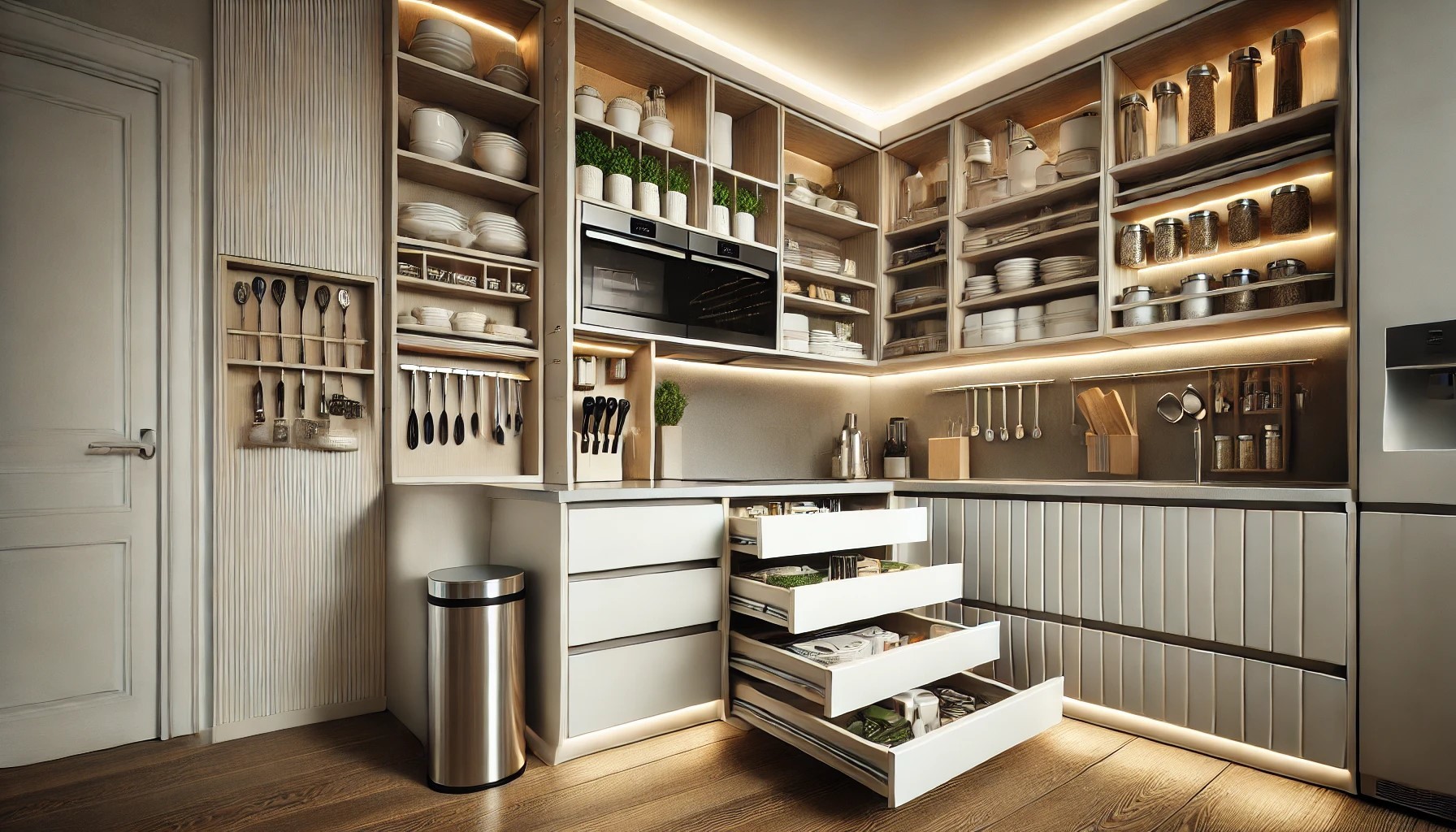
Kitchen shelves can turn charming or chaotic in a week. The difference is discipline. Keep daily-use items on open shelves and move backup supplies somewhere else. Plates, bowls, glasses, oils, and a few jars can look warm and useful. Random appliances, plastic packaging, and mismatched containers rarely do.
Bathrooms demand even more care because humidity changes the rules. Wood shelves need proper sealing, metal should resist rust, and baskets should handle moisture without sagging. A shelf above the toilet can hold rolled towels, extra soap, and a small plant, but it should not become a storage shelf for every product you bought on sale.
This is where home organization needs honesty again. If a shelf holds items you never use, it is not helping. It is decorating your procrastination. Keep the things that serve your routine and remove the rest before the room starts feeling crowded.
Living Room and Bedroom Shelves Should Feel Calm
Living room shelves carry the public story of the home. They hold books, photos, travel pieces, games, plants, speakers, and sometimes the remote that everyone loses by dinner. The goal is not perfection. The goal is a room that feels lived in without looking abandoned by order.
Use baskets for the items that do not display well. Game controllers, chargers, craft supplies, and pet toys can sit in woven bins or lidded boxes. Then let the open shelf space hold the objects that add warmth. This balance keeps stylish storage from becoming fake storage.
Bedroom shelves need a softer hand. Too many objects near the bed can make the room feel mentally noisy. A shelf above a dresser can hold perfume, jewelry trays, or folded accessories, but it should leave enough visual quiet for the room to feel restful. Creative shelving ideas work best here when they support calm instead of showing off.
Conclusion
Shelving is one of those home choices that looks small until it changes how the whole room behaves. A shelf can make a tight entryway easier in the morning, turn a blank kitchen wall into useful storage, or give a living room the kind of layered character that no single piece of furniture can provide. The value sits in the match between the shelf and the life around it.
The mistake most people make is buying shelves before studying the room. Watch where clutter gathers. Notice which items deserve to stay visible. Pay attention to height, reach, light, and the mood you want the space to carry. When you do that first, Shelving Ideas become less about filling walls and more about building a home that works with you.
Start with one problem area, not the whole house. Fix the wall that bothers you every day, give the right items a proper place, and let that small win set the tone for the rest of your home.
Frequently Asked Questions
What are the best shelving ideas for small living rooms?
Use shallow floating shelves, corner shelves, or wall-mounted ledges that keep the floor clear. Choose pieces that match the wall color when possible. This keeps the room open while giving books, baskets, plants, and small decor a neat place to live.
How do I make wall shelves look stylish without clutter?
Start with fewer items than you think you need. Mix books, baskets, framed art, and one or two personal pieces. Leave open space between objects so the shelf feels calm instead of crowded. Editing matters more than buying new decor.
What type of shelves work best in kitchens?
Open wood or metal shelves work well for daily-use plates, bowls, mugs, jars, and cookbooks. Keep the shelf depth practical so items stay easy to reach. Avoid storing bulky appliances or packaged food on display unless the containers look clean and consistent.
Are floating shelves strong enough for books?
Floating shelves can hold books when they are installed into studs or with proper heavy-duty anchors. The bracket system, wall type, shelf depth, and total weight all matter. For large book collections, fixed brackets or built-in shelving usually offer better long-term support.
How can I use shelves for better home organization?
Assign each shelf a clear job before adding items. One shelf might hold entryway basics, another might manage office supplies, and another might display family photos. Storage becomes easier when every item has a reason to be there and a clear place to return.
What shelves are best for bathrooms?
Choose sealed wood, powder-coated metal, glass, or moisture-resistant materials. Bathrooms need shelves that can handle humidity without warping or rusting. Use them for towels, soap, small baskets, and daily essentials rather than crowding them with every backup product.
How high should wall shelves be installed?
Shelves should match the room’s purpose and the user’s reach. Display shelves can sit higher, while everyday storage should stay easy to access. Above furniture, leave enough space so the shelf feels connected without crowding the piece below it.
Do built-in shelves add value to a home?
Well-designed built-ins can make a room feel more finished and useful, especially in living rooms, offices, mudrooms, and around fireplaces. They work best when the scale fits the room and the design matches the home’s architecture rather than looking added as an afterthought.