Home Improvement Projects for Better Property Value
A house does not gain worth because every room looks expensive. It gains worth when the right work makes daily life easier, maintenance lighter, and buyers less nervous about what they might inherit. That is the real power behind smart home improvement projects: they turn a property from “nice enough” into something that feels cared for before anyone studies the listing details.
For American homeowners, the smartest upgrades are rarely the loudest ones. A marble-heavy kitchen may impress for ten minutes, but a dry basement, efficient windows, a clean exterior, and a practical layout can protect both comfort and resale confidence for years. Buyers notice when a home feels solid. Appraisers notice when improvements support market expectations. Even local design conversations from trusted property and lifestyle resources like home improvement insights often point back to the same truth: value grows when beauty and function work together.
The best approach is not to remodel everything. It is to choose projects that solve real problems, age well, and make the next owner feel they are stepping into a home that has already been handled with care.
Home Improvement Projects That Strengthen Everyday Function
A home’s daily usefulness often matters more than its first impression. Buyers may admire a dramatic feature wall, but they remember the kitchen drawer that opens smoothly, the laundry room that does not feel cramped, and the entryway that keeps shoes, coats, and bags from taking over the floor. Function has a quiet kind of charm. It does not shout, but it keeps proving its worth every morning.
Why kitchen updates still carry serious buyer interest
A kitchen does not need a luxury remodel to feel valuable. In many U.S. homes, the strongest upgrades are the ones that remove friction: better cabinet storage, durable counters, modern hardware, improved lighting, and appliances that match in finish and scale. A clean, practical kitchen tells a buyer the home has been used with care, not patched together over time.
The mistake many homeowners make is chasing a magazine look that does not match the rest of the house. A modest ranch home with an overbuilt chef-style kitchen can feel awkward instead of impressive. Buyers sense when a remodel was done for photos rather than living.
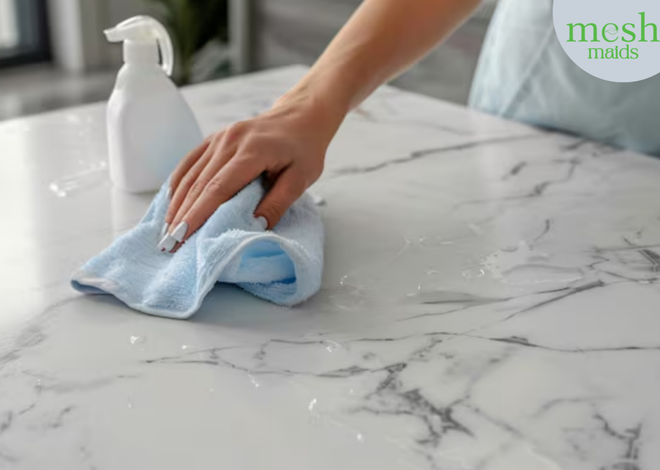
A smarter path is to improve what people touch every day. Replace tired cabinet fronts if the boxes are strong. Add under-cabinet lighting where prep space feels dim. Choose counters that can handle coffee spills, lunch prep, and hot pans without becoming a maintenance lecture. That kind of kitchen earns trust because it feels ready for real life.
How bathroom upgrades create comfort without overbuilding
Bathrooms influence buyer confidence because they expose neglect fast. Loose grout, old caulk, weak ventilation, and stained fixtures send the wrong signal even when the rest of the house looks polished. A bathroom does not need to feel like a hotel spa, but it must feel clean, dry, bright, and easy to maintain.
Good upgrades start with the unglamorous parts. A strong exhaust fan, proper moisture control, solid tile work, and updated plumbing fixtures can matter more than a trendy vanity. Nobody wants to wonder what is happening behind a shower wall.
The best bathroom improvements balance warmth with restraint. A neutral vanity, good mirror lighting, water-saving fixtures, and slip-resistant flooring can make the room feel fresh without locking it into a passing trend. Buyers can imagine themselves using it on Monday morning, not only admiring it during a showing.
Exterior Upgrades That Build Buyer Confidence
Once the inside feels practical, the outside has to back up the promise. Curb appeal is not only about looking pretty from the street. It is a fast judgment about care, safety, and upkeep. A home with peeling trim, poor drainage, and tired siding can lose trust before anyone reaches the front door.
What curb appeal improvements deliver the fastest lift?
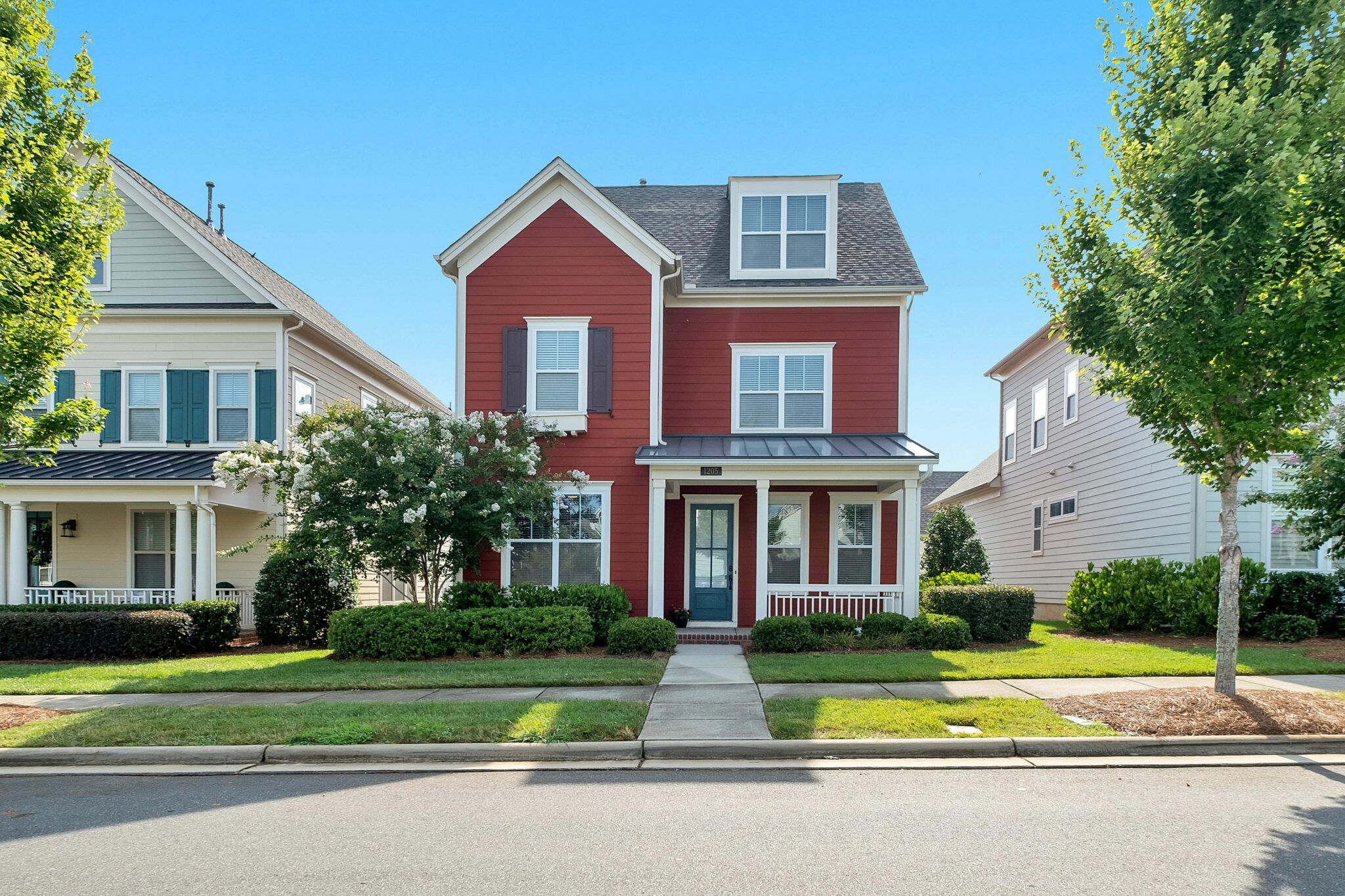
The front of a home sets the emotional tone. Fresh paint on the door, clean house numbers, trimmed landscaping, repaired walkways, and updated exterior lights can change how a property feels before a buyer steps inside. These are not flashy changes, but they show order.
Small exterior details carry more weight than homeowners expect. A cracked path suggests neglect. Dead shrubs suggest delay. A dim porch light makes the entry feel forgotten. Buyers may not say these things out loud, but they collect the signals.
A strong curb appeal plan should look maintained, not staged. Native or climate-suitable plants, fresh mulch, pressure-washed surfaces, and a clear path to the door make the property feel settled. That matters because buyers are not only buying square footage. They are buying the feeling that someone cared before they arrived.
Why siding, roofing, and drainage deserve early attention
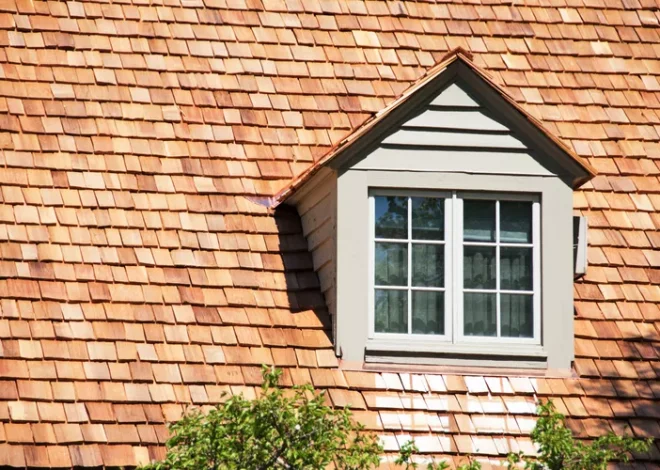
Big exterior systems do not always excite homeowners, but they protect the deal. Roof age, gutter condition, siding damage, and drainage problems can become negotiation weapons during inspection. A beautiful interior loses power fast when a buyer sees water stains or hears the roof may need replacement soon.
Preventive exterior work often feels expensive because it does not transform a room overnight. Still, it can protect resale strength by removing doubt. Clean gutters, corrected grading, repaired flashing, and sealed gaps help keep water away from the structure.
This is where value becomes less emotional and more practical. A buyer can repaint a bedroom later. They do not want to inherit water intrusion, hidden rot, or foundation stress. Fixing these issues before listing can keep the conversation focused on the home’s strengths instead of its risks.
Energy And Maintenance Improvements That Reduce Ownership Stress
A home that costs less to run feels better to own. American buyers are paying closer attention to monthly expenses, especially where heating, cooling, insurance, and utility costs keep rising. Energy and maintenance upgrades may not photograph like a new backsplash, but they often shape how secure a buyer feels about the long-term cost of the home.
How efficient windows, insulation, and HVAC updates help
Comfort sells in ways people feel before they explain. A drafty living room, uneven upstairs temperature, or loud aging HVAC system can make a buyer uneasy. They may love the floor plan, but discomfort plants doubt.
Energy-focused improvements work best when they solve a clear problem. Adding attic insulation, sealing air leaks, replacing failing weatherstripping, or servicing the HVAC system can make the home feel steadier through seasonal changes. In colder states, that means fewer icy rooms. In hotter states, it means less strain on cooling.
Full window replacement can help when windows are damaged, inefficient, or visually outdated, but it is not always the first move. Sometimes targeted repairs, better sealing, and improved insulation deliver a more sensible return. The key is to spend where the house is actually losing comfort, not where a sales brochure says every home must upgrade.
Why low-maintenance materials appeal to modern buyers
Buyers want charm, but they do not want a second job. Materials that resist constant repair can make a home feel easier to own. Durable flooring, composite decking, quality exterior paint, washable wall finishes, and sturdy fixtures all send the same message: this house will not demand attention every weekend.
This does not mean every surface should feel cold or industrial. The best low-maintenance choices still feel warm and residential. Luxury vinyl plank can work well in busy family spaces. Quartz counters can give a kitchen polish without the upkeep some natural stones require. Fiber cement siding can offer a crisp exterior look with strong durability.
The counterintuitive truth is that buyers often value simplicity more than drama. A home that is easy to clean, easy to heat, and easy to maintain can beat a more decorated house with fragile finishes. Life is busy. The house that respects that wins attention.
Design Choices That Make A Home Feel Worth More
After function, exterior care, and operating costs are handled, design becomes the layer that ties everything together. This is where restraint matters. The goal is not to erase personality. The goal is to create rooms with enough character to feel warm and enough flexibility to let buyers picture their own lives there.
Why layout flow matters more than decorative trends
A home can have new paint and still feel wrong if the rooms fight each other. Awkward furniture paths, blocked windows, oversized pieces, and poor lighting can make square footage feel smaller than it is. Layout flow changes how people read the home.
Simple adjustments can create a stronger sense of space. Remove bulky furniture before selling. Let natural light reach the main seating areas. Use rugs to define open spaces without cutting them into visual pieces. Keep walkways clear enough that movement feels natural.
This kind of design work costs less than major remodeling, but it can change the buyer’s experience. People do not always know why a room feels calm. They only know they want to stay in it. That feeling can support stronger interest because the home seems easier to live in from the first visit.
How paint, lighting, and flooring shape perceived quality
Paint, lighting, and flooring form the visual baseline of a house. When those three elements feel tired, everything else has to work harder. When they feel fresh, even older homes can gain a cleaner, more confident presence.
Paint should support light and architecture, not chase a color trend. Warm neutrals, soft whites, gentle grays, and muted earth tones often help rooms feel open without becoming bland. The wrong paint color can make a good room feel dated overnight.
Lighting deserves the same care. A mix of overhead fixtures, lamps, task lighting, and accent lights can make a home feel layered instead of flat. Flooring should feel consistent where possible, especially in main living areas. Too many flooring changes chop the house into pieces and make it feel less planned.
The smartest design updates are the ones buyers barely notice because everything feels right. That is the mark of good work. It raises confidence without begging for applause.
Conclusion
A stronger home does not come from spending money everywhere. It comes from knowing which improvements change how the property lives, shows, and holds up over time. The best owners think like future buyers without forgetting their own comfort. They fix the weak spots, sharpen the daily experience, and avoid upgrades that create more maintenance than value.
The smartest home improvement projects are the ones that make a house feel cared for in ways people can see and ways they can sense. A bright kitchen, dry exterior, efficient systems, and calm design choices all work together. None of them need to scream for attention.
Start with the part of your home that causes the most doubt, friction, or visible wear. Handle that first, then build from there with patience and taste. Value grows when every improvement has a reason, and the best homes make that reason easy to feel.
Frequently Asked Questions
What home improvement projects add the most resale appeal?
Kitchen refreshes, bathroom updates, curb appeal work, energy improvements, and basic repair projects often add the strongest resale appeal. Buyers respond well to homes that feel clean, functional, efficient, and well maintained because those qualities reduce uncertainty during the buying process.
Are small home upgrades worth doing before selling?
Small upgrades can be worth it when they fix visible wear or improve first impressions. Fresh paint, updated lighting, clean landscaping, new hardware, and repaired trim can make the home feel cared for without requiring a major renovation budget.
Should I remodel my kitchen before listing my house?
A full kitchen remodel is not always necessary before selling. Focus first on worn surfaces, poor lighting, outdated hardware, damaged counters, and appliance mismatches. A clean, practical refresh often makes more sense than an expensive remodel that may not match buyer taste.
Do bathroom renovations increase buyer confidence?
Bathroom renovations can increase confidence when they address moisture control, cleanliness, lighting, fixtures, and worn finishes. Buyers pay close attention to bathrooms because damage or neglect there can suggest deeper plumbing or maintenance problems.
How important is curb appeal for home resale?
Curb appeal matters because it shapes the buyer’s first emotional reaction. A neat exterior, clear walkway, healthy landscaping, and fresh entry details make the home feel maintained before the showing begins, which can influence how buyers judge the rest of the property.
Are energy-efficient upgrades good for older homes?
Energy-efficient upgrades can be especially useful in older homes when they improve comfort and reduce monthly costs. Air sealing, insulation, HVAC service, weatherstripping, and efficient lighting often help the home feel easier to own without changing its character.
What upgrades should homeowners avoid before selling?
Avoid highly personal design choices, luxury upgrades that exceed the neighborhood standard, and rushed cosmetic work that hides deeper issues. Buyers may not value expensive custom features if the roof, drainage, flooring, or basic systems still need attention.
How do I choose the right project first?
Start with the issue that creates the most buyer doubt or daily frustration. Repair damage, fix maintenance problems, improve function, then refine appearance. That order keeps your budget focused on changes that support both comfort and long-term resale strength.