
4 Reasons Why Grief Support Is Essential After the Death of Your Husband
The death of a husband changes life in an instant. What once felt nearer can suddenly feel distant. Everyday moments may carry a quiet ache, and the future can seem unclear. In this space of loss, many women struggle to manage emotions while meeting daily responsibilities and social expectations.
Emotional care after spousal loss is not about removing pain or replacing love. It is about helping the mind and body adapt to a new reality without becoming overwhelmed.
This article explores 4 reasons that explain the importance of reliable emotional care after losing a spouse. Read on!
Emotional Stability
The death of a husband creates a sudden break in emotional balance. Daily life changes at once. Routines collapse. Silence replaces conversation. Decisions that were once shared now feel heavy and uncertain. During this period, emotions do not arrive in an orderly way.
Without suitable emotional care, these intense feelings can overwhelm the mind. Many widows attempt to stay strong for family, children, or social expectations. This effort pushes pain inward instead of allowing it to move through the mind.
Professional and community-based grief support creates a safe emotional container. It provides space where emotions can be channelized without judgment or pressure.
Rebuilding Identity After Losing a Partner
Marriage shapes identity in many ways. Roles form naturally over years. A woman may define herself as a wife, a partner, a caregiver, or a teammate. When a husband dies, that shared identity disappears overnight. This loss creates confusion that extends beyond sadness.
Many widows ask themselves who they are now. Social circles may change. Family dynamics shift. Even personal goals can feel meaningless. Without guidance, this identity loss can create a long-lasting sense of emptiness and disconnection from life.
Emotional care helps a woman explore this identity shift with clarity. Instead of feeling lost, she learns how to separate who she was with her husband from who she still is as an individual.
Protection of Mental and Physical Health
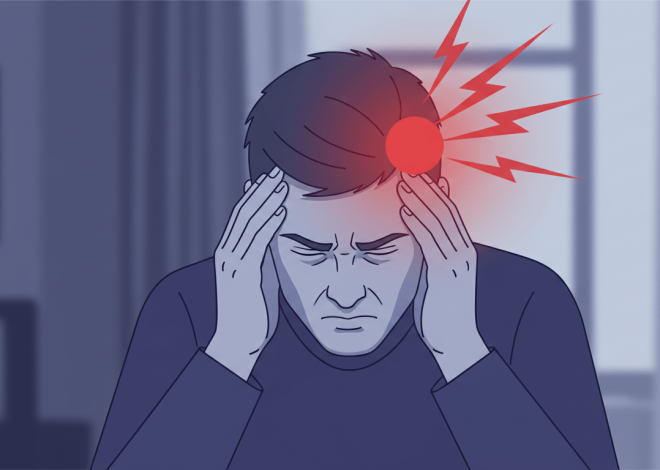
Grief does not stay in the mind alone. It affects the entire body. Long-term emotional stress weakens the immune system, disrupts sleep, increases blood pressure, and worsens existing health conditions. Mental stress shows up as headaches, fatigue, digestive problems, and chronic pain.
When grief remains unsupported, it can lead to serious mental health challenges. Depression, anxiety disorders, and prolonged grief reactions become more likely. These conditions make daily life harder and reduce quality of living.
Early emotional intervention reduces these risks. Guided conversations and emotional processing help the nervous system stabilize.
Healthy Expression Without Judgment
Grief demands expression. When emotions remain unspoken, they appear in harmful ways. Suppressed grief turns into anger, isolation, emotional numbness, or sudden breakdowns. Many widows feel misunderstood by friends who expect recovery within a set timeline.
Society encourages silence around loss. People avoid uncomfortable conversations. Well-meaning advice can feel dismissive. This leaves grieving women without a safe outlet to speak honestly.
A suitable emotional care creates permission to speak freely. It offers a space where tears are allowed and silence is respected. There is no expectation to be strong or positive. This freedom reduces emotional pressure and restores trust in human connection.