Trendy Outerwear Ideas for Stylish Seasonal Looks
A great coat can rescue an ordinary outfit faster than any trend on your feed. Across the USA, where one person may be dressing for a windy Chicago commute while another handles a mild Los Angeles evening, outerwear ideas work best when they respect real life instead of chasing runway noise. Your jacket has to carry shape, comfort, weather protection, and personality before you even think about accessories. That is why smart seasonal dressing starts with the piece everyone sees first. A polished layer can make jeans look intentional, make sneakers feel elevated, and make a simple dress feel ready for dinner. Style also lives in the details: the shoulder line, the fabric weight, the length, the way a collar frames your face. Fashion readers who follow fresh style conversations already know this truth: outerwear is not the final layer of an outfit. It is the first impression.
Build Your Seasonal Outerwear Around Real Weather
Weather should lead the closet, not the other way around. Many people buy coats because they look good in a photo, then leave them hanging because the fabric feels wrong, the weight feels off, or the cut fights their daily routine. Seasonal outerwear becomes easier when you start with the conditions you face each week and then choose style from that smaller, smarter pool.
Match coat weight to your daily rhythm
Cold weather does not feel the same everywhere in America. A Boston morning in February asks for insulation and wind control, while a Phoenix evening may only need a sharp overshirt or cropped jacket. Treating every climate as if it needs the same coat creates a closet full of pieces that look promising and fail in motion.
The better move is to build around your most common day, not the rare storm. A person who drives to work, parks close, and spends most of the day indoors does not need the same coat as someone waiting for a train platform before sunrise. That sounds obvious, yet most bad purchases happen because shoppers dress for an imagined lifestyle.
Seasonal outerwear earns its place when it fits the life you repeat. A quilted jacket can work harder than a heavy wool coat for someone running errands in Nashville, while a full-length puffer makes sense for a Minneapolis parent standing through a school pickup line. Style starts to feel natural when the coat stops arguing with the calendar.
Use fabric texture to create polish
Texture does more than add visual interest. It tells people where the outfit belongs. Smooth wool reads clean and city-ready, waxed cotton feels practical and grounded, suede adds softness, and nylon gives an athletic edge. The cut matters, but the surface does plenty of the talking.
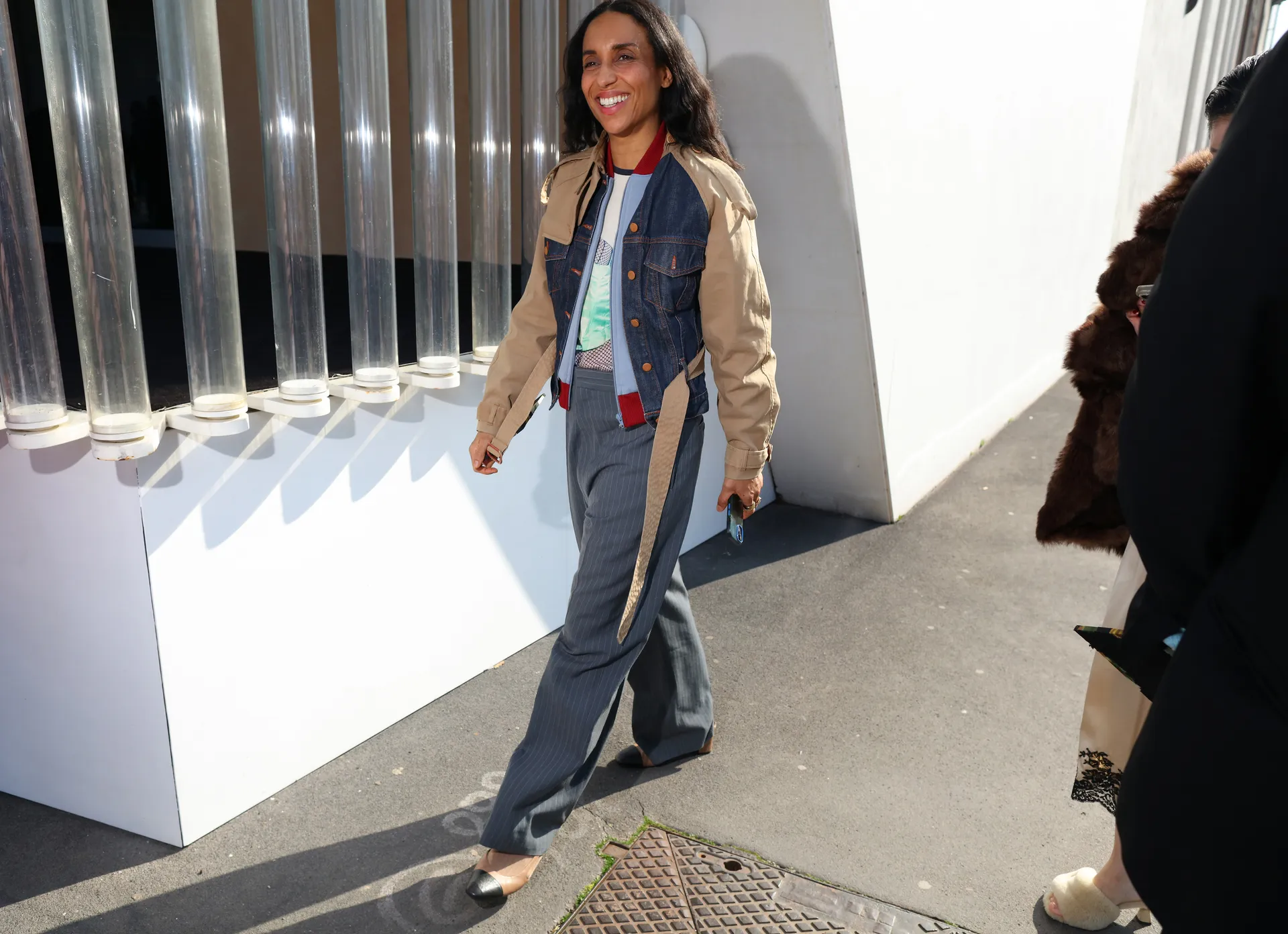
Stylish jackets often succeed because they balance texture against the rest of the outfit. A ribbed sweater under a smooth trench looks controlled. A matte puffer over straight denim feels modern without trying too hard. A brushed coat over tailored pants brings depth to a look that might otherwise feel flat.
Texture also helps when color stays simple. Many Americans lean on black, navy, gray, cream, olive, and camel because those shades survive busy mornings. A textured layer keeps those colors from feeling dull. The quiet coat wins more often than the loud one because it works on Tuesday, not only on Saturday night.
Shape Matters More Than Trend
A coat can be expensive, current, and still wrong if the shape fights your frame. Trend cycles push cropped bombers one month and floor-length coats the next, but your mirror has the final vote. Fit does not mean tight. It means the garment knows where your body is going.
Let shoulder structure set the tone
The shoulder line controls the mood before anything else registers. A dropped shoulder feels relaxed and street-ready. A set-in shoulder looks sharper and more tailored. A padded shoulder adds authority, especially with long coats and blazers. None of these choices is better by default. The right one depends on the message you want the outfit to send.
For a New York office day, a structured wool coat over wide-leg trousers can make even a plain knit look considered. For a Seattle weekend, a soft utility jacket with a looser shoulder may feel more honest. The mistake is pretending both occasions ask for the same silhouette.
Stylish jackets also need room for what sits underneath. A coat that looks clean over a thin T-shirt may pull across the arms when layered over a hoodie. Try outerwear with the kind of layers you actually wear, not the thinnest shirt in your closet. Fit tested under false conditions gives false confidence.
Choose length by proportion, not height myths
Petite people are often told to avoid long coats, and taller people are told to avoid cropped styles. Those rules are lazy. Proportion matters more than height. A long coat can look striking on a shorter frame when the line is clean and the break point does not swallow the body. A cropped jacket can look balanced on a tall frame when the pants rise high enough.
Length changes how the eye travels. A hip-length jacket highlights denim, belts, and shoes. A mid-thigh coat gives coverage without too much drama. A calf-length coat creates a strong vertical line, which can make simple outfits look richer. The secret is not the number on the size tag. It is where the garment ends compared with the rest of the outfit.
Fall layering works better when length is planned. A long shirt hanging below a short jacket can look intentional if the colors connect. A bulky hoodie under a cropped coat can look cramped if the hemline bunches. Test the full outfit before deciding a coat is wrong. Sometimes the problem is not the coat at all.
Color Choices That Stretch Your Closet
Color is where outerwear gets personal, but it is also where shoppers waste money. A bright coat can be fantastic, yet it has to work with what you own. The best layer does not demand a new wardrobe around it. It slides into your current clothes and makes them feel sharper.
Anchor bold pieces with familiar basics
A red coat, cobalt bomber, or green leather jacket can look incredible when the rest of the outfit stays calm. American street style often shines when one piece carries the mood and the other pieces give it room. That is why a bold jacket with white sneakers, straight jeans, and a clean knit can beat a complicated outfit full of competing statements.
The key is repetition. A burgundy coat feels less random when your lipstick, scarf, socks, or bag picks up a related tone. A mustard jacket settles down when paired with denim and warm brown shoes. Color does not need to match perfectly. It needs a reason to be there.
Winter coats in bold shades can also fight gray weather in the best way. A deep forest green coat in Detroit or a rust-colored wrap coat in Denver brings energy without looking childish. The shade should feel rich enough to survive more than one season, because novelty fades faster than quality.
Trust neutrals with personality
Neutrals are not boring when the shape has character. A camel coat with a generous collar, a charcoal bomber with a crisp ribbed hem, or an ivory jacket with oversized buttons can carry a whole look. The color whispers, but the design speaks.
Fall layering often benefits from neutral outerwear because it lets knits, scarves, denim washes, and boots create the variation. A cream chore coat over a brown sweater and faded jeans feels easy, while a black leather jacket over a gray hoodie creates a familiar American uniform that still works because it has attitude.
Winter coats in neutral shades also age well. Black, navy, camel, chocolate, and stone can move between office days, coffee runs, school events, and weekend trips. A neutral coat with strong fabric and clean hardware rarely feels dated. That quiet staying power is worth more than a loud piece you stop trusting by next year.
Style the Layer, Not Only the Coat
A strong coat still needs styling. The wrong shoes, bag, or base layer can make good outerwear look disconnected. The goal is not to overthink every outfit. The goal is to create small links so the layer feels like part of a full decision.
Connect footwear to the outer layer
Shoes finish the sentence the coat begins. A trench with chunky loafers feels different from the same trench with running sneakers. A puffer with lug-sole boots reads practical and winter-ready, while a puffer with sleek leather sneakers leans urban. Neither choice is wrong. The shoe tells the coat where to land.
Across the USA, footwear also has to respect the ground. Salted sidewalks, rain, subway stairs, campus paths, and parking lots all change what makes sense. A beautiful coat loses its charm when paired with shoes that cannot survive the day. Practicality has style value because confidence changes how you carry the outfit.
This is where outfit planning becomes easier. Match the finish, not the exact color. A matte nylon jacket pairs well with suede sneakers or rubber-soled boots. A polished wool coat likes leather, patent details, or refined shapes. Once the finishes speak the same language, the outfit feels settled.
Use accessories with restraint
Accessories should support the coat, not compete with it. A scarf can add warmth and color, but it can also clutter the neckline if the coat already has a dramatic collar. A beanie can make a long coat feel relaxed. A structured bag can sharpen a soft puffer. Small choices shift the whole read.
One useful rule is to pick one point of interest near the face. If the coat has a bold collar, keep the scarf simple. If the coat is plain, choose a textured scarf or strong sunglasses. If the jacket has hardware, avoid piling on too much metallic shine elsewhere.
This approach works because outerwear already takes up visual space. You do not need five accents fighting for attention. You need one or two details that prove the outfit was chosen by a person with taste, not assembled by panic near the front door.
Conclusion
Seasonal style gets easier when you stop treating the coat as an afterthought. The smartest outerwear ideas begin with your weather, your routine, your proportions, and the clothes already waiting in your closet. Trends can still inspire you, but they should never bully you into buying a piece that only works in a photo. A great layer helps you move through real American days with less effort and more confidence. It makes grocery runs look cleaner, office outfits feel sharper, and weekend plans feel less thrown together. Start with one coat or jacket that solves your most common dressing problem, then build from there with texture, length, color, and shoes that support the look. Choose the layer you will reach for twice a week without hesitation, because the best seasonal outfit is the one that looks good after life gets involved.
Frequently Asked Questions
What are the best trendy outerwear styles for seasonal looks?
Wool coats, trench coats, quilted jackets, leather jackets, puffers, and utility coats all work well for seasonal dressing. The best choice depends on your climate, daily routine, and preferred outfit shape. Pick one practical layer first, then add trend-focused pieces around it.
How do I choose seasonal outerwear for different USA climates?
Start with your local weather pattern instead of national trends. Northern states often need insulation and wind protection, while warmer regions may only need light jackets, overshirts, or trenches. Your best coat should match the days you live most often.
What colors make stylish jackets easier to wear?
Camel, black, navy, olive, cream, gray, and chocolate are the easiest colors to repeat across outfits. Bold shades can work too, especially burgundy, forest green, rust, and cobalt. Keep the rest of the outfit calm when the jacket carries strong color.
How can I style winter coats without looking bulky?
Choose clean layers underneath and avoid stacking thick pieces everywhere. A fitted knit, straight-leg pants, and boots with structure can balance a heavier coat. Longer lines also help, especially when the coat closes smoothly without pulling across the body.
What outerwear works best for fall layering?
Trenches, chore coats, denim jackets, leather jackets, quilted liners, and light wool coats work well for fall. They leave enough room for knits, hoodies, and button-down shirts without overheating. Mid-weight fabrics give you the most styling flexibility.
Are oversized coats still fashionable for everyday outfits?
Oversized coats still look current when the rest of the outfit has shape. Pair a roomy coat with straight jeans, slim boots, tailored trousers, or a clean base layer. The goal is balance, not drowning the body in fabric from head to toe.
How many coats should a seasonal wardrobe include?
Most people can dress well with three strong layers: one light jacket, one polished mid-weight coat, and one serious cold-weather coat. Add statement pieces only after those needs are covered. A smaller outerwear wardrobe works better when each piece has a clear job.
What is the easiest way to make outerwear look expensive?
Fit, fabric, and hardware matter most. Choose clean seams, sturdy buttons or zippers, lined interiors when possible, and colors that pair with your wardrobe. Even an affordable coat looks better when it fits your shoulders and works with your shoes.