Everyday Streetwear Ideas for Comfortable Urban Fashion
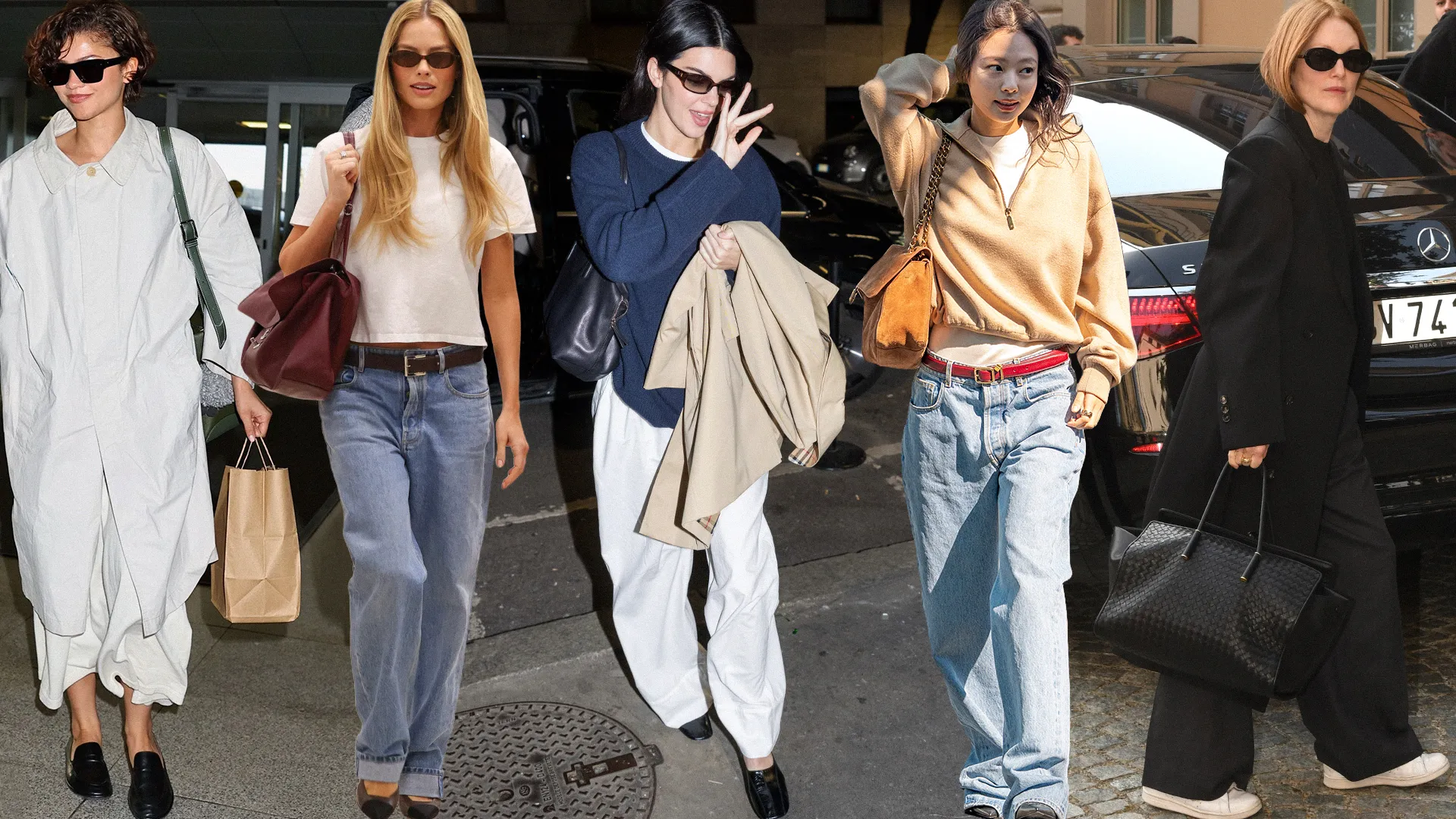
American street style has stopped pretending comfort is a downgrade. The sharpest outfits on sidewalks from Brooklyn to Austin now prove that ease can look intentional, polished, and personal. The best streetwear ideas are not about chasing every drop or copying a celebrity fit piece by piece; they are about knowing how clothes move through your actual day. A hoodie has to work on the train. Sneakers have to survive errands, coffee runs, and late plans. Denim has to feel good after six hours, not only in a mirror selfie. For readers, creators, and modern lifestyle publishers thinking about style that speaks to real people, this shift matters because comfort has become part of taste. Comfortable urban fashion is not lazy. Done well, it shows control. It says you understand proportion, fabric, weather, and mood without dressing like you tried too hard.
Comfortable Urban Fashion Starts With Fit, Not Hype
Most outfits fail before color, logos, or brands enter the conversation. They fail because the fit fights the body. Comfortable urban fashion works best when every piece has room where movement happens and structure where the eye needs shape. That balance is what separates a clean city outfit from a pile of soft clothes. A boxy jacket over tapered pants can look sharp. Oversized everything often looks unfinished. The difference is editing.
Why everyday streetwear depends on proportion
A strong everyday streetwear outfit usually begins with one relaxed piece and one controlled piece. Wide-leg cargos need a cleaner top. A loose hoodie needs pants that do not collapse at the ankle. A big varsity jacket needs a base layer that sits close enough to stop the outfit from swallowing you.
This matters even more in U.S. cities where people move between spaces fast. You may start in a cold apartment, walk through humid streets, sit in a rideshare, then end up in a restaurant with harsh lighting. Clothes that only look good standing still will betray you by noon.
The smartest move is to check the silhouette from a distance. Step back from the mirror. If your outfit has a clear top, middle, and base, it already has rhythm. If everything blends into one heavy shape, remove one oversized piece before adding anything new.
Comfortable outfits need fabric with backbone
Soft clothes are not always comfortable clothes. A thin hoodie can twist, cling, and lose shape after one wash. A heavier cotton fleece often feels better because it sits with weight instead of collapsing. The same rule applies to tees, sweats, and overshirts.
Comfortable outfits need fabric that can handle use. Cotton twill, denim with slight give, brushed fleece, canvas, ribbed knits, and broken-in leather all bring texture without making the outfit feel stiff. The goal is not luxury. The goal is dependability.
A black heavyweight tee under a washed denim jacket can do more than a loud graphic top that loses its shape after two wears. That sounds simple because it is. Streetwear gets stronger when the basics stop acting weak.
Building Casual City Outfits Around Real Movement
A city outfit has a job. It has to move, layer, breathe, and still look like you meant it. Casual city outfits become easier once you stop dressing for one frozen moment and start dressing for the full route. That route might include a subway platform in Chicago, a lunch break in Los Angeles, or a rainy walk in Seattle. Style has to survive contact with the day.
Sneakers set the pace for urban fashion
Sneakers control the attitude of urban fashion more than most people admit. A chunky runner makes jeans feel more relaxed. A low-profile court shoe sharpens cargos. A clean high-top can pull together shorts, sweats, and cropped pants without much effort.
The mistake is treating sneakers as decoration. They are the foundation. If the shoe looks too delicate for your pants, the outfit feels top-heavy. If the shoe looks too bulky for the rest of the fit, your feet become the whole story.
White sneakers still work, but they are not the only safe choice. Soft gray, faded black, gum soles, navy, and off-white often blend better with American streetwear because they do not scream for attention. A slightly worn sneaker can even look better than a spotless one, as long as it is cared for.
Layers should solve problems, not create bulk
Layering is where many casual city outfits either gain depth or become annoying. A tee, overshirt, and jacket can look great until the sleeves bunch, the collar fights, or the shoulders feel tight. Good layering starts with thickness order: thin first, medium second, heavy last.
A long-sleeve tee under a work shirt under a bomber jacket gives you options without turning your torso into a padded wall. In colder cities, a hoodie under a wool coat can work if the hoodie is not too long and the coat has enough shoulder room.
Layering also helps stretch a smaller wardrobe. One plain tee can sit under a zip hoodie for errands, under a chore coat for dinner, or under an open flannel for a weekend market. The clothes stay familiar, but the outfit changes mood.
Streetwear Ideas That Make Basics Look Intentional
A basic outfit is not a boring outfit. Boring happens when nothing has contrast, texture, or point of view. The strongest streetwear ideas often come from small choices: a better hem, a cleaner sock, a sharper jacket line, or one unexpected color near the face. You do not need a loud closet. You need better decisions.
Neutral colors work harder than loud ones
Neutral colors carry streetwear because they let shape and texture speak. Black, cream, gray, olive, brown, navy, and washed denim can build dozens of combinations without feeling repetitive. The trick is not wearing every neutral flatly.
Pair faded black with clean white. Put olive next to cream. Let navy sit against gray. These small shifts stop neutral outfits from looking sleepy. Texture matters here too, because a cotton hoodie, nylon vest, denim pant, and suede sneaker can all be dark without looking like one block.
This approach fits American daily life because it travels well. A neutral outfit can move from a college campus to a coffee shop, from a casual office to a weekend dinner, without feeling out of place. Loud pieces have their moment, but quiet pieces do more work.
One statement piece is enough
A statement piece should lead the outfit, not fight the room. A graphic hoodie, printed jacket, bold sneaker, or unusual cargo pant can carry the look when everything else supports it. Two statement pieces can work, but they need discipline. Three usually turns into noise.
The cleanest streetwear ideas often follow a simple rule: let one item talk. A red varsity jacket over a white tee, straight denim, and black sneakers feels confident because the jacket has space. A patterned camp collar shirt with plain shorts and simple trainers works for the same reason.
Accessories count as statement pieces too. A bright beanie, silver chain, crossbody bag, or tinted sunglasses can shift the entire outfit. Use them with care. The point is not to prove you own interesting things; it is to prove you know when to stop.
Making Everyday Streetwear Feel Personal
Style gets better when it stops looking borrowed. Everyday streetwear should show a little of where you live, how you move, what music you like, what weather you deal with, and what kind of confidence feels natural on you. A person in Phoenix does not need the same layers as someone in Boston. A college student, barber, designer, server, and weekend skater may all wear hoodies, but the best outfit will not look identical on each one.
Local weather should shape comfortable outfits
Comfortable outfits depend on climate more than trend reports. In Miami, breathable tees, nylon shorts, camp shirts, and low sneakers make more sense than stacked denim and heavy fleece. In Denver, a fleece vest, relaxed cargos, and weather-ready sneakers can look natural because the environment supports it.
This is where many people force style too hard. They copy a cold-weather outfit in a warm city or wear delicate sneakers through a wet winter. The result looks uncomfortable because it is uncomfortable.
A better wardrobe respects the forecast. Lightweight layers, breathable socks, water-resistant jackets, caps, and pants with room to move can keep the look sharp without turning dressing into a daily battle. Weather-aware style always looks more confident because it belongs where it stands.
Personal details beat perfect styling
A perfect outfit can feel empty when it has no personal mark. The worn cap from a local team, the vintage tee from a concert, the bracelet you never take off, or the jacket you thrifted on a random Saturday gives the outfit a pulse. Those details are small, but they make style feel lived in.
Urban fashion has always pulled energy from real streets, not polished showroom racks. That means your outfit should not look sealed in plastic. A scuffed boot, faded hoodie, or softened denim jacket can carry more character than a brand-new piece with no story.
The key is control. Personal does not mean messy. Keep the base clean, then let one or two lived-in details show. That is how a regular outfit starts feeling like yours instead of something copied from a feed.
Conclusion
Good street style is not about owning more clothes. It is about making sharper choices with the clothes that already fit your life. A strong wardrobe gives you movement, comfort, structure, and enough personality to keep the outfit from feeling flat. That is why streetwear ideas work best when they begin with your day instead of someone else’s photo. Start with fit, choose fabrics that hold shape, build around sneakers that match your pace, and let one piece carry the attitude. Comfortable urban fashion becomes easier when every item has a reason to be there. Open your closet before buying anything new, build three outfits from pieces you already trust, and upgrade only the weak link. Style gets stronger when it stops performing and starts working.
Frequently Asked Questions
What are the best everyday streetwear ideas for beginners?
Start with relaxed jeans, clean sneakers, heavyweight tees, hoodies, and one versatile jacket. Keep colors simple at first, then add personality through a cap, bag, or graphic piece. Beginners improve fastest when they master fit before chasing rare items.
How can I make casual city outfits look more polished?
Choose one relaxed piece and balance it with something cleaner. Pair wide pants with a fitted tee, or wear a loose hoodie under a structured jacket. Clean shoes, neat hems, and fewer loud pieces make casual city outfits feel more polished.
What shoes work best with comfortable urban fashion?
Low-profile sneakers, retro runners, high-tops, and sturdy casual shoes all work well. Match the shoe weight to the pants. Wider pants need a shoe with presence, while slim or straight pants usually look better with cleaner, lighter sneakers.
How do I wear oversized streetwear without looking sloppy?
Keep only one or two pieces oversized at a time. A roomy hoodie works better with straighter pants, while baggy cargos need a cleaner top. The outfit should still show shape at the shoulders, cuffs, waist, or ankles.
What colors are easiest for everyday streetwear?
Black, gray, navy, olive, cream, brown, and washed denim are the easiest colors to mix. They work across seasons and leave room for one stronger accent. Neutral outfits look better when you mix textures instead of relying on bright color.
How can comfortable outfits still look stylish?
Comfortable outfits look stylish when the fit is intentional, the fabric has structure, and the shoes match the outfit’s mood. Avoid stretched collars, flimsy tees, and pants that bunch badly. Comfort should feel designed, not careless.
What jackets work well for urban fashion in the USA?
Bomber jackets, denim jackets, chore coats, varsity jackets, parkas, and lightweight puffers all work depending on the city and season. Pick jackets that layer easily over tees or hoodies and suit the weather you deal with most often.
How many streetwear pieces do I need for a solid wardrobe?
A solid wardrobe can start with two tees, two hoodies, two pants, one jacket, and two pairs of sneakers. Add pieces only when they create new outfit options. A smaller closet with strong fit beats a packed closet full of weak choices.