
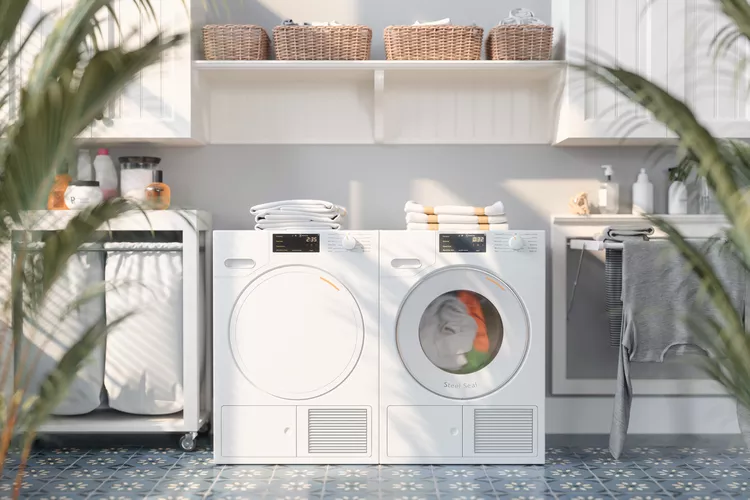
Laundry Room Organization for Easier Household Management
A messy laundry room does more than slow down washing day. It quietly steals time from the rest of the house. When socks disappear, detergent spills, baskets pile up, and clean clothes sit folded on top of the dryer for three days, the problem is not laziness. It is poor household management hiding in plain sight. A good laundry room should work like a small command center for American family life, especially in homes where school uniforms, work shirts, towels, sports gear, pet blankets, and bedding all compete for space. The goal is not to make the room look perfect for photos. The goal is to make the next load easier before it even starts. Smart storage, clear zones, better sorting, and realistic routines turn laundry from a constant background stress into a task that fits into the week. For families looking for practical home improvement ideas, organized home planning resources can help connect everyday spaces with better living systems. The laundry room may be small, but when it works, the whole house breathes better.
Build a Laundry Room Layout That Supports Real Life
A useful laundry room starts with movement, not decoration. Most people think they need more space, but many laundry rooms fail because the space they already have works against them. The washer door swings into the basket. The shelf sits too high. The hamper blocks the dryer. Small friction becomes daily irritation, and daily irritation becomes the reason laundry never feels finished.
Why should laundry room storage match your daily routine?
Storage only helps when it follows the way your household actually behaves. A family with three kids does not need the same setup as a couple in a downtown apartment. A home with athletes needs room for uniforms and gear. A household with pets needs a spot for towels, lint rollers, and washable blankets.
The smartest move is to watch the room for one week before buying anything. Notice where clothes land. Notice which supplies get used most. Notice what keeps ending up on the floor. That little mess tells the truth. If detergent always sits on the dryer, place a shelf above the dryer. If clean towels pile near the door, add a reachable towel basket there instead of pretending everyone will walk them down the hall.
A counter above front-load machines can change the whole rhythm of the room. It gives you a folding surface, a drop zone, and a place to treat stains without moving from corner to corner. In a narrow laundry closet, a slim rolling cart can hold detergent, stain spray, dryer sheets, and cleaning cloths without eating the walkway.
How can small laundry rooms feel easier to manage?
Small laundry rooms need vertical thinking. Walls can carry more weight than the floor, and that matters in tight American homes where the laundry area may sit in a hallway, mudroom, garage corner, or basement alcove. Floating shelves, wall hooks, peg rails, and cabinet doors with inside storage all create breathing room.
The trap is overfilling every blank wall. A cramped room with too many bins feels busy before you even start washing. Choose fewer storage pieces and make each one earn its place. One labeled basket for lost socks beats six cute containers nobody uses.
A wall-mounted drying rack works well when you need space for delicate shirts, gym clothes, or school uniforms. Fold it flat when it is empty. Add hooks for mesh laundry bags and hangers. Keep a small trash bin nearby for lint, tags, tissues, and pocket surprises. That one bin prevents half the clutter people blame on the room itself.
Better layout does not make laundry exciting. It makes it less annoying. That is already a win.
Laundry Room Organization Starts With Better Sorting
Once the layout stops fighting you, the next battle is sorting. Most laundry trouble begins before anything reaches the washer. Clothes get mixed, towels stay damp, whites turn gray, and someone discovers a melted crayon after the dryer cycle. Good sorting is not fussy. It is damage control with a system simple enough for tired people to follow.
What is the best way to sort family laundry?
A three-part sorting system works for most homes: everyday clothes, towels and bedding, and special-care items. That split handles the way laundry actually moves through a household. It also keeps heavy wet towels from sitting on top of lightweight shirts and keeps delicate pieces from getting punished in the wrong cycle.
Families with children need labels that even a distracted kid can understand. “School clothes,” “towels,” and “sports” work better than technical fabric categories. Add pictures for younger children. A child who cannot read yet can still match a towel icon to the towel bin.
Color sorting still matters, but it should not become a ritual that blocks progress. Dark clothing, light clothing, and whites are enough for most weekly loads. The point is to prevent damage, not create a sorting ceremony that delays the wash until Sunday night panic hits.
Here is the hard truth: the best system is the one people will use when they are rushed. If it only works when the house is calm, it does not work.
How do laundry baskets reduce household stress?
Baskets are not storage. They are traffic control. When each room has a clear laundry drop point, dirty clothes stop drifting into chairs, bathroom corners, and hallway floors. This one change can make a home feel calmer by the end of the first week.
Use one hamper per bedroom and one shared basket near the laundry room for towels. In larger homes, a landing basket near the stairs helps collect stray clothing without forcing someone to walk across the house for every sock. The basket then travels to the laundry room once a day or every other day.
Clean laundry needs its own path too. Many homes fail here. Clothes get washed and dried, then stall because nobody knows where they go next. Assign one return basket per person. Fold directly into each basket. When the basket is full, it goes to that person’s room. This keeps clean clothes from becoming a second mountain.
Laundry room organization works best when every item has a next step. Dirty clothes move in. Clean clothes move out. Nothing camps on the dryer forever.
Create Supply Zones That Prevent Clutter Before It Starts
A laundry room holds more than clothes. It often becomes a hiding place for extra paper towels, cleaning sprays, light bulbs, batteries, pet supplies, reusable shopping bags, and half-used products nobody wants to throw away. That is how a simple wash area turns into a storage swamp. The answer is not more bins. The answer is better boundaries.
Which laundry supplies should stay within easy reach?
Keep daily supplies at hand and move the rest away. Detergent, stain remover, dryer balls, mesh bags, lint rollers, and a small sewing kit deserve prime space. Bulk refills, extra paper goods, and seasonal cleaning supplies can live higher up or in another closet.
A turntable or narrow tray keeps bottles from spreading across the counter. It also makes spills easier to clean. Powder detergent should sit in a sealed container with a scoop. Pods need child-safe storage, especially in homes with young kids. The American Cleaning Institute offers safety guidance for laundry packets, and it is worth taking seriously in family homes.
Stain treatment deserves its own tiny station. Keep a brush, spray, oxygen cleaner, and old towel in one spot. When a kid walks in with grass stains or a coffee splash hits a work shirt, you can treat it before it becomes a permanent reminder of a rushed morning.
A supply zone should feel boring in the best way. You reach, grab, use, and put back. No digging.
How can cabinets and shelves stay neat longer?
Cabinets stay neat when they hold categories, not random leftovers. Put laundry products together. Put household cleaning supplies together. Put pet laundry items together. The shelf should tell you what belongs there without requiring a label maker marathon.
Clear containers help only when they reduce guessing. If a bin is too deep, things disappear into it. Shallow bins work better for small products because you can see what is inside without unloading everything. Use taller containers for refills and backup bottles.
Do a five-minute reset once a week. Not a full cleanout. Not a dramatic overhaul. Open the cabinet, toss empty packaging, wipe spills, and put supplies back in their zones. That habit prevents the kind of clutter that later demands a whole Saturday.
The counterintuitive part is that empty space is useful storage. A shelf with breathing room gives future items a place to land. A packed shelf has no mercy.
Turn Laundry Into a Weekly Home System
The final step is rhythm. Even the best laundry room can fall apart when every load depends on mood, memory, or crisis. American households run on schedules: school mornings, workdays, errands, sports practice, grocery runs, and weekend plans. Laundry needs a place inside that rhythm, not outside it.
What laundry schedule works for busy families?
A simple weekly pattern beats a heroic laundry marathon. Towels on Monday, clothes on Tuesday and Thursday, bedding on Saturday. That kind of rhythm keeps loads smaller and decisions lighter. It also prevents the Sunday-night pileup that turns the dryer into a family emergency.
Small households may prefer one main laundry day and one quick midweek load. Families with babies, pets, uniforms, or home gyms may need daily mini-loads. The right schedule is the one that prevents overflow without making laundry feel like a second job.
Post the schedule where people can see it. A small whiteboard, phone reminder, or calendar note works. Add one rule: no load starts unless someone can move it to the dryer or drying rack within a reasonable time. Wet clothes forgotten overnight create odor, wasted time, and that defeated feeling nobody needs.
A laundry routine is not about control. It is about removing decisions from a task that already repeats forever.
How do you keep the laundry room clean after organizing it?
Maintenance works when it is tiny. Wipe the washer rim after heavy loads. Empty lint after every dryer cycle. Return hangers to the rod. Restock detergent before the container runs dry. These are small acts, but they protect the system from sliding back into chaos.
The room also needs a monthly deeper check. Clean behind machines where dust collects. Wash hampers if they hold sweaty clothes or damp towels. Check hoses, vents, and drain areas for signs of trouble. A laundry room handles water, heat, lint, and chemicals, so neglect can become more than clutter.
Give the room one “no storage” surface. It might be the folding counter or the top of the dryer. That surface must reset to empty at the end of each day. This single rule keeps the room visually calm and stops clutter from gaining permission to stay.
Household management becomes easier when the laundry room stops asking for constant rescue. The best system is not the prettiest one. It is the one you can keep on a tired Wednesday.
Conclusion
A better laundry room changes the pace of the whole home because it removes one of the most common sources of daily drag. You do not need a magazine-worthy remodel to get there. You need a layout that supports movement, a sorting plan people can follow, supply zones that make sense, and a weekly rhythm that keeps clothes from taking over the house. The real payoff is not a spotless shelf or matching bins. It is the calm that comes when everyone knows where dirty clothes go, where clean clothes return, and what happens next. That is where household management starts to feel less like chasing mess and more like running a home with intention. Start with the one point of friction that annoys you most, fix that first, and let the next improvement follow. Build a laundry room that works hard without demanding attention, and your whole house will feel lighter.
Frequently Asked Questions
How do I organize a laundry room with limited space?
Use wall shelves, hooks, slim rolling carts, and fold-down drying racks to move storage upward instead of crowding the floor. Keep only daily supplies within reach. Store bulk items elsewhere so the room stays open enough for washing, folding, and sorting.
What should every laundry room have for easier washing?
A strong setup includes detergent, stain remover, a lint bin, mesh bags, hangers, a folding surface, labeled baskets, and a small lost-and-found container. These basics cover daily loads without forcing you to search the house for missing supplies.
How can I stop clean laundry from piling up?
Sort clean clothes directly into person-specific baskets as soon as they come out of the dryer. Each basket should leave the laundry room the same day. Folding everything into one shared pile creates delay because nobody feels responsible for finishing it.
What is the easiest laundry system for families?
Use simple categories: clothes, towels, bedding, and special-care items. Give each family member a return basket and set a weekly rhythm for common loads. The system should be easy enough for kids and tired adults to follow without extra explanation.
How often should a laundry room be cleaned?
Do quick resets weekly and a deeper clean monthly. Weekly tasks include wiping spills, tossing lint, and straightening supplies. Monthly tasks include cleaning behind machines, checking vents, washing hampers, and reviewing products that no longer belong there.
Are labeled bins useful in laundry rooms?
Labels work when they match real behavior. Use clear, simple words like towels, stain care, cleaning cloths, and sports gear. Overly detailed labels can slow people down, while practical labels help everyone put items back without asking where they go.
How do I organize laundry products safely?
Keep detergent pods, bleach, and strong cleaners out of children’s reach in closed containers or locked cabinets. Place everyday supplies together, separate refills from active products, and wipe spills quickly so shelves stay clean and easy to manage.
What is the best way to make laundry less stressful?
Reduce decisions before laundry starts. Create clear sorting baskets, keep supplies visible, set a weekly schedule, and avoid starting loads when you cannot finish the next step. Stress drops when laundry becomes a repeatable routine instead of a surprise chore.