
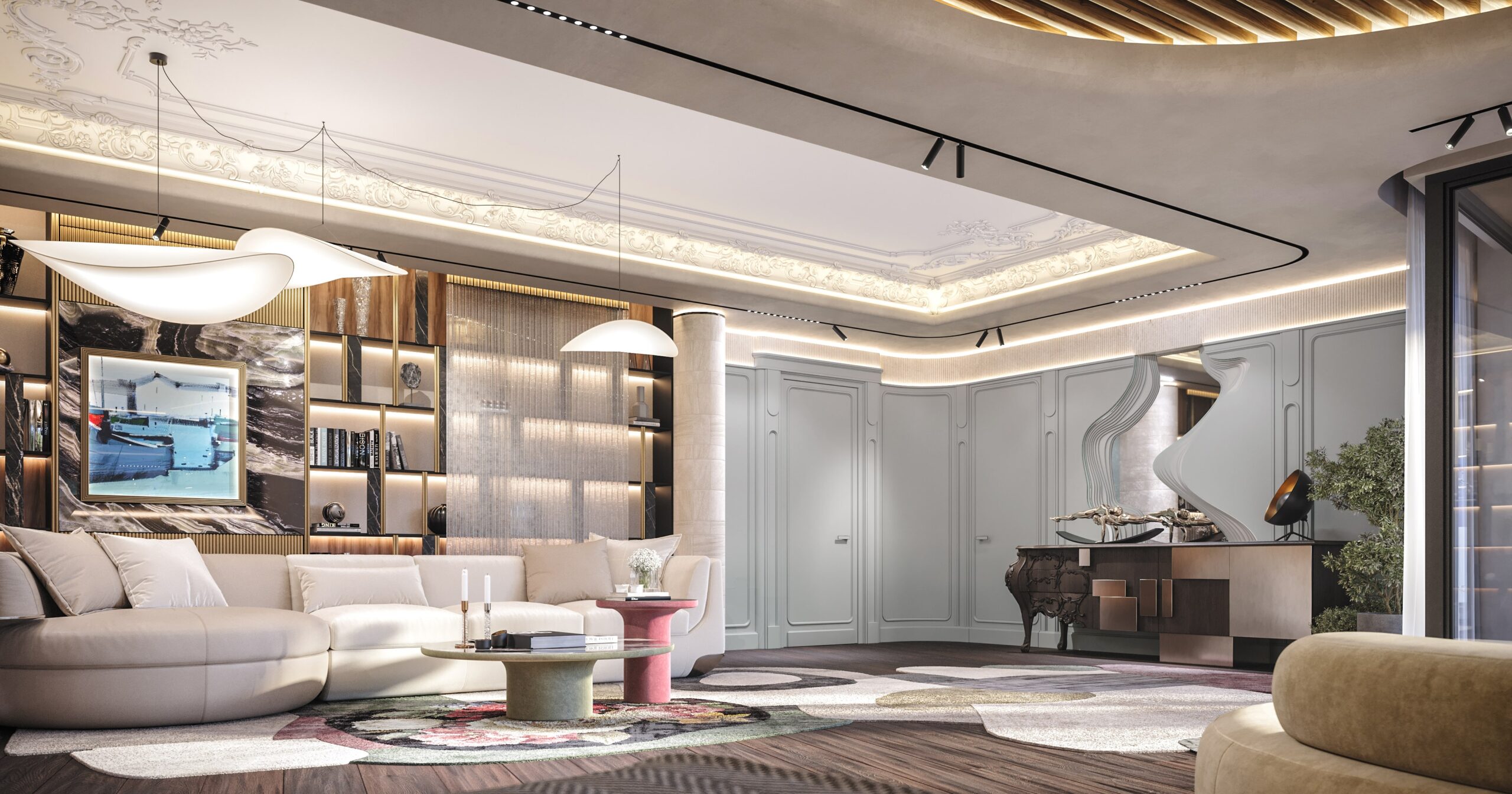
Creative Lighting Designs for Modern Living Spaces
A beautiful room can still feel flat when the lighting works against it. Furniture may be right, colors may be calm, and the layout may make sense, yet the space still feels unfinished after sunset. That is where thoughtful Lighting Designs change the entire mood of a home. Across the USA, more homeowners are treating light as part of the room’s design, not an afterthought added after paint, flooring, and furniture are done.
Good lighting does more than help you see. It changes how big a room feels, where the eye lands, how relaxed guests become, and whether daily routines feel smooth or annoying. A living room needs one kind of light for conversation, another for reading, and another for quiet evenings when the television is off and the house finally slows down. For homeowners comparing ideas through trusted home improvement resources such as <a href=”https://prnetwork.io/”>modern living space inspiration</a>, the smartest approach is rarely the most expensive one. It is the most intentional one.
Why Lighting Designs Matter in Modern Living Spaces
The best rooms do not shout for attention. They invite you in, let you settle, and reveal their character slowly. Light plays a bigger role in that feeling than most people realize because it controls the way every surface, corner, and texture appears once the day changes.
How ambient lighting sets the emotional baseline
Ambient lighting is the room’s general glow. It may come from recessed ceiling lights, a central fixture, wall sconces, or even a wide floor lamp that spreads light upward. In many American homes, this layer gets ignored because people rely on a single ceiling fixture and expect it to do everything. It cannot. One bright source often creates hard shadows, dull corners, and a room that feels more like a waiting area than a place to live.
A better approach starts by asking how the room should feel before choosing the fixture. A family room in a suburban Texas home may need soft, even brightness for kids, pets, and late-night cleanup. A condo living room in Chicago may need warmer ambient lighting to soften city views and winter evenings. The job is not to flood the room. The job is to create comfort before any task lighting or accent lights enter the picture.
Color temperature matters here. Warm white bulbs usually feel better in living spaces because they flatter skin tones and make upholstery, wood, and textiles feel richer. Cool white bulbs can work in work zones, but in a lounge area they often feel sharp. The mistake is not choosing the wrong lamp. The mistake is choosing light without asking what emotion the room needs to carry.
Why natural light should guide artificial choices
Daylight is the first lighting designer in the room. A south-facing living room in Arizona behaves differently from a shaded apartment in Seattle, and pretending both spaces need the same lighting plan leads to poor results. Natural light shows you where the room already has strength and where artificial light must step in.
In bright homes, artificial light should soften the transition from day to evening. That may mean dimmable ceiling lights, shaded lamps, and fixtures with warm bulbs that keep the space from feeling harsh after sunset. In darker homes, the goal shifts. You need broader light coverage, reflective surfaces, and thoughtful placement so the room does not feel heavy by late afternoon.
Window treatments affect this balance more than people expect. Thick drapes can make a living room feel private and calm, but they also absorb light. Sheer curtains stretch daylight farther, especially when paired with pale walls or mirrors placed across from windows. This is where layered lighting becomes practical, not fancy. It lets a room adjust instead of staying stuck in one mood all day.
Building Layers That Make a Room Feel Finished
Once the base glow works, the room needs depth. Flat lighting makes even expensive furniture look ordinary, while layered lighting gives every zone a reason to exist. You notice it most in rooms where people actually gather, because one light setting never fits every person at once.
Where accent lights create depth without clutter
Accent lights guide the eye. They can highlight a stone fireplace, a bookshelf, a textured wall, a large plant, or a piece of art above the sofa. Their value is not only decorative. They create contrast, and contrast is what keeps a room from feeling bland after dark.
A common mistake is adding too many accent lights because the room feels empty. That usually makes the space busier, not better. One focused picture light above framed art can do more than five random table lamps. A pair of wall sconces beside built-ins can make a plain living room feel designed, especially in older homes where architectural details deserve attention.
Accent lights also help open awkward corners. Many living rooms have one dead zone near a side chair, entry path, or unused wall. A slim lamp, small uplight, or low-glow sconce can turn that area into a quiet reading spot or visual anchor. The point is not to decorate every inch. It is to give the room a few clear moments so the eye knows where to rest.
How task lighting supports real daily routines
Task lighting handles the work of living. Reading, writing, board games, homework, laptop use, and evening cleanup all need more targeted light than a ceiling fixture can provide. The trick is placing it where the task happens, not where the outlet happens to be.
A floor lamp beside a reading chair should cast light over the shoulder, not into the eyes. A table lamp beside a sofa should be tall enough to brighten the book or drink table, not only the lampshade. In open-plan American homes, a console lamp behind the sofa can help separate the living area from the dining or kitchen zone without building a wall.
Task lighting also needs control. A bright lamp that cannot dim may help with reading but ruin the room’s mood during a movie. Dimmers, smart bulbs, and three-way lamps solve that problem without forcing the homeowner to choose between function and atmosphere. This is where Lighting Designs become personal. The room stops acting like a showroom and starts matching the way people actually live.
Choosing Fixtures That Match Scale, Style, and Comfort
Fixtures are easy to love online and easy to regret at home. A pendant that looks stunning in a product photo may hang too low, spread too little light, or compete with furniture once it enters a real room. Scale saves you from that problem before it starts.
What size and placement get wrong most often
A fixture can be beautiful and still be wrong for the room. Oversized chandeliers overwhelm low ceilings, tiny ceiling lights disappear in large spaces, and lamps placed too far from seating fail at the one job they were meant to do. Proportion matters because light is both object and effect.
In a living room with an eight-foot ceiling, flush-mount or semi-flush fixtures often feel cleaner than a dramatic hanging piece. In rooms with taller ceilings, a larger pendant or chandelier can work if it sits high enough to avoid blocking sightlines. The best test is simple: stand at the entry point and look across the room. If the fixture interrupts the view more than it improves the space, it is fighting the design.
Lamp scale deserves the same care. A small lamp on a large end table looks timid. A bulky floor lamp beside a narrow chair feels crowded. Balanced living room lighting comes from matching the lamp’s height, shade width, and brightness to the furniture around it. Measure first. Guessing is how expensive mistakes happen.
Why material and finish change the mood
Light changes when it passes through glass, fabric, metal, paper, or acrylic. A clear glass shade throws a sharper brightness. A linen shade softens the beam. A brass fixture adds warmth even before the bulb turns on. Matte black can look crisp, but too much of it may make a small room feel heavy.
Modern living spaces often mix materials because strict matching feels stiff. A brushed nickel floor lamp can sit near a wood coffee table. A ceramic table lamp can balance a clean-lined sofa. A woven shade can warm up a room with white walls and hard flooring. The secret is not matching every finish. It is repeating enough visual language so nothing feels accidental.
Bulb visibility is another detail people miss. Exposed bulbs can look stylish, but they must be comfortable to look at. Frosted bulbs, lower wattage, or dimmers often make exposed fixtures easier to live with. According to ENERGY STAR, certified LED bulbs use less energy and last longer than traditional incandescent bulbs, which makes them a practical choice for rooms where lights run for hours each evening. A room can look good and still respect the electric bill.
Smart Controls and Flexible Lighting for Everyday Life
Modern homes need lighting that moves with the day. Morning brightness, afternoon calm, dinner conversation, movie nights, and late-night quiet all ask for different settings. Fixed lighting forces the room into one personality. Flexible lighting lets it breathe.
How dimmers and smart bulbs change the room’s behavior
Dimmers may be the smallest upgrade with the biggest payoff. They allow ceiling lights, sconces, and lamps to shift from useful brightness to soft atmosphere without changing the fixture. Many homeowners spend money replacing lights when the real issue is control.
Smart bulbs add another layer. They can schedule light for sunrise routines, adjust warmth in the evening, and group several lamps into one scene. A homeowner in a New York apartment may use a bright setting while cleaning, a warm low setting after dinner, and a focused reading setting beside the sofa. One room, three moods, no extra clutter.
Smart controls also help households with different habits. Early risers, night readers, kids, guests, and pets all use the same space in different ways. Lighting should make those differences easier, not turn every evening into a small negotiation. The best setup feels invisible because it removes friction before anyone notices it.
Why flexible layouts protect future design changes
Living rooms rarely stay the same forever. Sofas move, side tables change, children grow, remote work needs shift, and homeowners update colors over time. A rigid lighting plan can make every future change harder. Flexible layered lighting gives the room room to grow.
Plug-in sconces, movable floor lamps, smart outlets, and dimmable bulbs help renters and homeowners avoid permanent decisions too early. This matters across the USA, where homes range from historic brownstones to new-build subdivisions and compact apartments. Not every space allows recessed lights or hardwired fixtures. Good design works with the house you have.
Flexible lighting also keeps spending smarter. Instead of replacing every fixture during a refresh, you can change shades, bulb temperatures, lamp positions, or control settings. That practical freedom matters. A home should not need a full redesign every time your taste matures.
Conclusion
The strongest rooms usually have one thing in common: they feel right before you can explain why. Light is often the reason. It shapes the first impression, softens the hard edges, supports daily habits, and gives furniture a sense of purpose after the sun goes down. A living room without thoughtful light may still function, but it rarely feels complete.
Homeowners who plan Lighting Designs with intention get more than prettier evenings. They gain a room that adapts, welcomes, and works harder without looking busy. Start with the mood, then build the layers. Let daylight guide you, let scale keep you honest, and let controls give the room flexibility. The smartest upgrade is not always the boldest fixture. Sometimes it is a warmer bulb, a better lamp position, or a dimmer that finally lets the room relax.
Choose one lighting problem in your living space this week and fix it with purpose, because the right light can make the whole room feel like it finally exhaled.
Frequently Asked Questions
What are the best lighting designs for small modern living spaces?
Small rooms work best with layered lighting, slim floor lamps, wall sconces, and warm bulbs. Avoid relying on one bright ceiling light because it can flatten the room. Use mirrors, pale surfaces, and vertical fixtures to make the space feel taller and more open.
How do I choose ambient lighting for a living room?
Start with the mood you want at night, then choose fixtures that spread light evenly without glare. Recessed lights, shaded ceiling fixtures, and wide floor lamps can all work. Add dimmers so the room can shift from bright family use to calm evening comfort.
What color temperature is best for living room lighting?
Warm white bulbs, often around 2700K to 3000K, usually feel best in living rooms. They make wood, fabric, and skin tones look softer. Cooler bulbs can feel sharp in lounge areas, so save them for offices, garages, or task-heavy zones.
How many light sources should a modern living room have?
Most living rooms need at least three types of light: ambient, task, and accent. The exact number depends on room size, ceiling height, furniture layout, and natural light. A medium-size room often feels better with four to six light sources spread across different zones.
Are smart bulbs worth using in living room lighting?
Smart bulbs are worth it when you want easy control over brightness, warmth, and schedules. They help one room serve different needs without extra fixtures. They are especially useful in apartments, open-plan homes, and family rooms used at different times of day.
What is the difference between accent lights and task lights?
Accent lights highlight features such as art, shelves, plants, or textured walls. Task lights help with specific activities such as reading, writing, or games. Both matter, but they solve different problems. A balanced room usually needs both to feel complete.
How can I make a dark living room feel brighter?
Use warm layered light, pale lampshades, reflective surfaces, and fixtures placed near dark corners. Avoid heavy curtains if privacy allows lighter window treatments. A mirror across from a window or lamp can also help move light deeper into the room.
What lighting mistakes make modern living spaces look bad?
The biggest mistakes include using one ceiling light, choosing bulbs that feel too cold, ignoring dimmers, and buying fixtures without checking scale. Poor placement also hurts the room. Light should support how people sit, move, read, relax, and gather.