Decorative Rug Ideas for Cozy Interior Comfort
A room can look finished and still feel cold. That usually happens when the floor has been treated like empty space instead of part of the design. The right rug does more than cover hardwood, tile, or laminate; it gives furniture a reason to belong together. For many American homes, decorative rug ideas work best when they solve two problems at once: visual warmth and everyday comfort. A rug near the sofa softens movie nights. A runner in a hallway quiets foot traffic. A layered rug under a dining table tells the room where conversation begins.
Good rug choices also make a home feel personal without making it feel busy. You do not need a designer showroom budget or a perfect open floor plan. You need scale, texture, color, and placement that respect how your household actually lives. Sites focused on practical home improvement and design inspiration, including modern home styling resources, often point back to the same truth: cozy rooms come from smart details, not expensive clutter.
Decorative Rug Ideas That Anchor the Room
A rug should not float in a room like an afterthought. It should hold the seating, bed, dining set, or entryway together so the space feels settled. When a rug is too small, the furniture looks nervous. When it is placed well, the whole room relaxes.
Why rug size matters more than pattern
Size is the first test most people fail. A beautiful rug that barely reaches the coffee table can make a living room feel chopped into pieces. In a standard American living room, the front legs of the sofa and chairs should usually sit on the rug. That one move connects the furniture and makes the seating area feel intentional.
A larger rug also gives the eye a softer landing. Pattern and color get the attention, but scale creates comfort before anyone notices the design. If you are choosing between a rug with a perfect pattern that is too small and a simpler rug that fits the room, choose the one that fits. Every time.
Bedroom rugs need the same discipline. A rug should extend beyond the sides and foot of the bed enough for your feet to land on softness in the morning. That small daily moment matters more than people admit. Cold floors start the day with a tiny irritation, and homes collect those irritations fast.
How furniture placement changes the mood
Furniture placement decides whether a rug feels useful or decorative only. A sofa pushed halfway off a rug can make the room feel accidental, while a balanced layout creates calm. The rug becomes the quiet border that says, “This is where we gather.”
In apartments, condos, and smaller houses, rugs can create zones without building walls. A rug under a reading chair can mark a quiet corner. A different one beneath a dining nook can separate meals from work-from-home clutter. Open layouts need this kind of visual order because one large room can start to feel like everything is happening everywhere.
The counterintuitive move is leaving more floor visible than you think. A rug does not need to swallow the whole room. A clean border of exposed flooring around the edges can make the area feel framed instead of crowded.
Choosing Cozy Area Rugs Without Overdecorating
Once the room has an anchor, texture starts doing the emotional work. Cozy area rugs can make a plain room feel lived-in, but too much softness can turn stylish into sloppy. The goal is comfort with control.
Which textures feel warm without looking heavy?
Texture sets the tone before color does. A wool rug feels grounded and classic. A cotton flatweave feels casual and light. A jute rug brings a natural texture that works well in coastal, farmhouse, and modern organic spaces. Each one tells a different story underfoot.
Thick pile rugs suit bedrooms, reading corners, and low-traffic sitting rooms. They invite bare feet and slower mornings. In family rooms, though, dense texture can trap crumbs, pet hair, and dust. That does not mean you must avoid soft rugs. It means you should match softness to the mess level of the room.
Flatweave and low-pile rugs often make more sense for busy American households. They still add warmth, but they handle real life better. Kids spill juice. Dogs drag in grass. Someone drops popcorn during a game. A rug that survives the week will always feel better than one that makes everyone nervous.
How layered rugs add comfort with control
Layering works when each rug has a job. A large neutral base rug can define the area, while a smaller patterned rug adds character on top. This approach helps when you love bold prints but do not want them shouting across the room.
The trick is contrast. Pair a natural fiber base with a softer vintage-style rug. Place a patterned piece over a plain foundation. Mix texture before mixing color. When both rugs compete, the floor starts to look confused.
Layering also helps with budget. A large natural rug can cover the needed floor area, while a smaller statement rug brings the style. That gives you a richer look without paying for a massive hand-knotted centerpiece. Smart design often comes from knowing where to spend and where to hold back.
Living Room Rug Styles That Feel Personal
A living room carries more pressure than almost any other room. It hosts guests, family, TV nights, quiet coffee, and the random pile of laundry nobody planned to fold. Living room rug styles need to support all of that without looking worn out by Tuesday.
How color choices shape the whole space
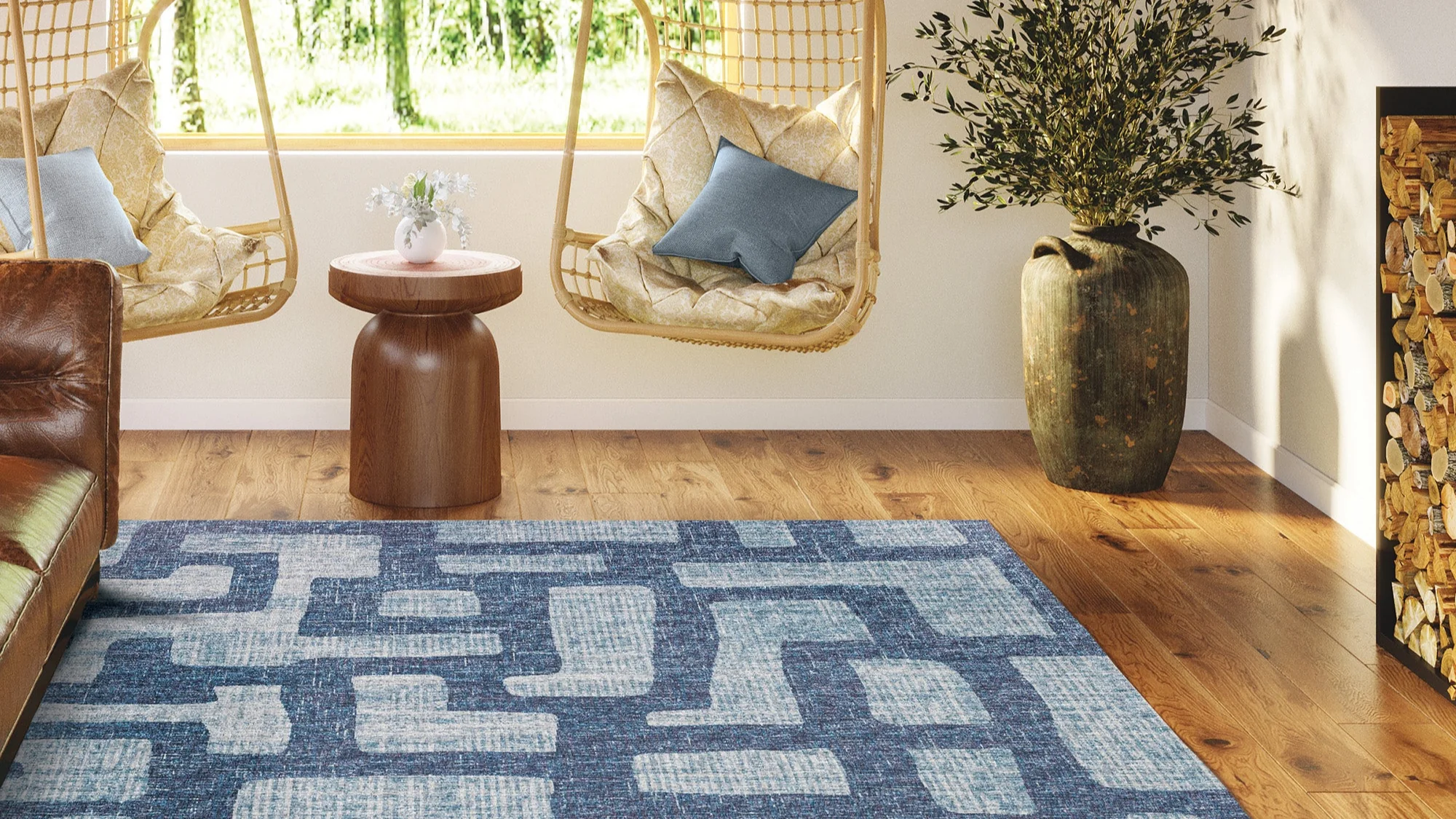
Color decides whether the rug blends in, warms up the room, or becomes the main character. A soft beige, oatmeal, gray, or warm ivory rug can calm a room that already has bold furniture or art. A rust, navy, olive, or terracotta rug can wake up a space that feels flat.
Many homeowners choose rugs too safely, then wonder why the room feels dull. Neutral does not mean lifeless. A neutral rug with woven variation, faded pattern, or mixed fibers can feel richer than a plain block of beige. The difference sits in the detail.
A useful rule is to repeat one color from the rug somewhere else in the room. It might appear in a pillow, throw blanket, ceramic vase, or wall art. That echo makes the rug feel connected instead of random. Design confidence often comes from repetition, not from matching every item like a catalog set.
Why pattern can hide real life beautifully
Pattern is not only a style choice. It is a survival tool. A rug with movement, faded motifs, or tonal variation hides dust and small stains better than a flat solid rug. That matters in homes with children, pets, or heavy foot traffic.
Vintage-inspired rugs work well because they already look relaxed. Their faded patterns forgive daily wear, which makes them practical in living rooms and family spaces. Geometric rugs bring a cleaner edge, especially in modern rooms with simple furniture. Floral or medallion designs add charm when the rest of the room feels plain.
The mistake is picking a pattern with no relationship to the room’s energy. A sharp black-and-white print can look exciting online but feel harsh under warm wood furniture. A delicate floral rug can disappear under bulky sectionals. The best pattern does not fight the room. It finishes the sentence.
Interior Comfort Rugs for Everyday Living
A rug becomes part of your life after the first week. That is when looks meet vacuuming, shoes, pets, spills, and sunlight. Interior comfort rugs should feel good on day one and still make sense six months later.
What rug materials work best for busy homes?
Material decides how much patience a rug will demand. Wool is durable, naturally resilient, and comfortable, which makes it one of the best long-term choices. It can cost more upfront, but it often ages better than cheaper options. Cotton is lighter, easier to move, and useful in casual rooms.
Synthetic rugs can be a smart choice in high-traffic areas. Many polypropylene and polyester rugs resist stains well and come in family-friendly price ranges. They may not feel as rich as wool, but they can handle entryways, playrooms, and dining spaces without turning every spill into a crisis.
Natural fiber rugs like jute and sisal bring texture, but they are not soft in the plush sense. They can also stain more easily. Use them where you want an earthy look and do not need cushion underfoot. I like them best under layered setups or in rooms where texture matters more than softness.
Where rugs make the biggest comfort difference
Some spaces benefit from rugs more than others. A runner in a hallway can make the house feel quieter and more finished. A soft rug beside the bed changes the first step of the morning. A rug under a dining table can absorb sound and make meals feel warmer.
Entryways deserve special attention. A durable rug near the front door catches dirt, defines the arrival point, and gives the home a more welcoming feel. It should be tough, low-pile, and easy to clean. Pretty but fragile rugs do not belong where wet shoes enter the house.
Dining rooms require honest thinking. The rug must extend beyond the chairs even when people pull them out. If it does not, chair legs will catch at the edges, and the setup will annoy everyone. Beauty loses fast when daily use becomes a fight.
Conclusion
Rugs are not minor accessories. They change how a room sounds, feels, and functions. The best choices respect the size of the space, the habits of the people living there, and the mood you want to create when you walk through the door. A rug can calm a loud room, warm a bare one, or give scattered furniture a shared purpose.
That is why decorative rug ideas should start with real life before style. Think about where your feet land, where your family gathers, where sunlight hits, and where mess happens. Then choose the rug that can handle that truth with grace. A cozy home is not built from perfect rooms; it is built from choices that make ordinary moments feel easier to enjoy.
Start with one room, measure before buying, and choose the rug that makes the space feel settled the moment you step into it.
Frequently Asked Questions
What rug size works best for a cozy living room?
Choose a rug large enough for at least the front legs of your sofa and chairs to sit on it. This creates a connected seating area instead of a floating island of furniture. In most living rooms, bigger looks calmer and more finished.
How do I choose a rug color for a neutral room?
Pick a color that adds warmth without fighting the room. Warm beige, muted rust, soft olive, faded blue, or textured gray can work well. Repeat one rug color in pillows, throws, or art so the room feels connected.
Are washable rugs good for family homes?
Washable rugs can work well in homes with kids, pets, and frequent spills. They are best in kitchens, playrooms, entryways, and casual living spaces. Check the backing, thickness, and washing instructions before buying because not all washable rugs hold their shape equally.
Can I layer rugs in a small room?
Layering can work in a small room when the base rug is simple and the top rug adds texture or pattern. Avoid using two busy rugs together. Keep the lower rug larger and neutral so the room feels cozy instead of crowded.
What rug material feels soft but lasts long?
Wool offers one of the best mixes of softness, durability, and long-term value. It handles wear better than many delicate fibers and feels comfortable underfoot. For tighter budgets, low-pile synthetic rugs can also work well in busy rooms.
Should a dining room rug go under all chairs?
A dining room rug should extend far enough that chairs stay on the rug when pulled out. This prevents snagging and keeps the layout comfortable. If the rug is too small, the room may look awkward and become frustrating during meals.
How can rugs make a home feel warmer?
Rugs add softness, reduce echo, define zones, and bring visual depth to bare floors. Texture plays a major role. A rug with wool, cotton, or layered fibers can make a room feel more welcoming without adding clutter.
What rug style is easiest to maintain with pets?
Low-pile patterned rugs are often easiest for pet owners. They hide light shedding and small marks better than solid rugs, and they are easier to vacuum than shag styles. Choose stain-resistant materials when accidents or muddy paws are common.