Relaxed Fit Fashion for Comfortable Stylish Dressing
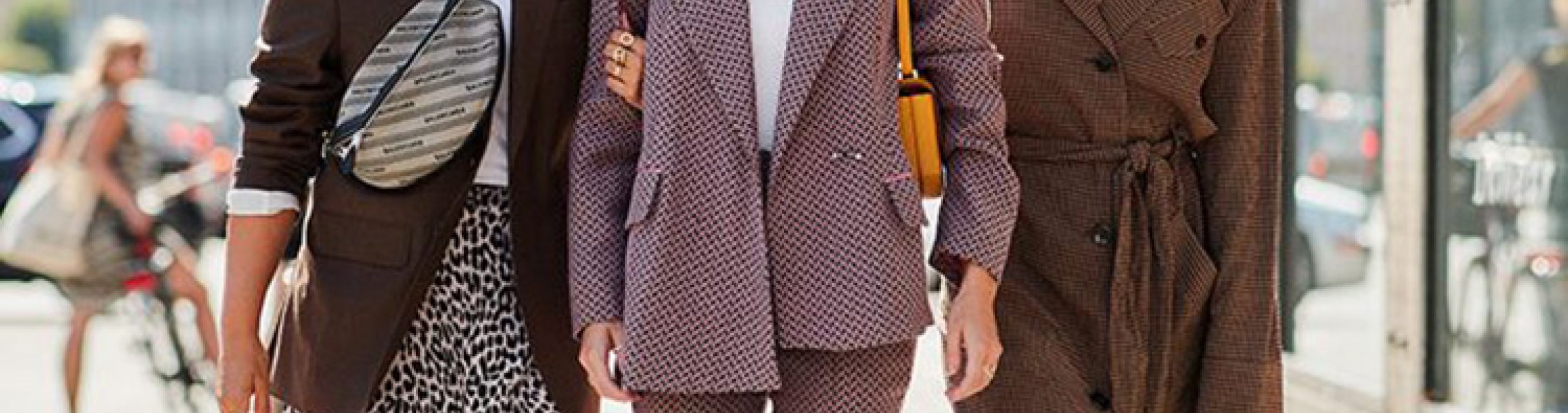
Tight clothes had their long reign, and plenty of people are finished pretending discomfort looks better. Across the USA, from subway platforms in New York to coffee runs in Austin, Relaxed Fit Fashion has become the answer for people who want ease without looking careless. The shift makes sense because your clothes now have to move through more of your day than ever before: errands, hybrid work, dinner, travel, school pickups, and weekend plans often blur into one schedule. Style has to keep up without punishing your body for being human. For readers building smarter style choices, fashion and lifestyle resources such as modern style coverage can help frame how comfort-led dressing keeps gaining ground. The best relaxed looks do not hide the body or abandon shape. They create room, balance, and quiet confidence. That is the difference between wearing something loose and dressing with intention.
Relaxed Fit Fashion Starts With Shape, Not Size
Roomier dressing fails when people treat it as a sizing shortcut. Buying everything two sizes bigger can make an outfit look accidental, while choosing a true relaxed cut gives the body space in the right places. The shoulder, sleeve, rise, inseam, and hem all decide whether a piece looks styled or sloppy. A loose shirt that lands cleanly at the shoulder feels deliberate. A wide pant with a proper break looks modern. Fit still matters. It always has.
Why comfortable outfits still need structure
Comfortable outfits work best when at least one part of the look gives the eye a clear line. A boxy sweatshirt with straight-leg denim can look sharp because the jeans create direction. A soft button-down with wide trousers can feel polished when the collar and cuffs hold shape.
American shoppers often make the same mistake with comfort: they remove every structured piece at once. The result can feel like sleepwear outside the house. A ribbed tank under an open linen shirt, a cotton jacket over a tee, or a leather belt with relaxed trousers can change the whole mood without adding stiffness.
Structure does not mean tightness. It means intention. The outfit needs one anchor so the relaxed parts can breathe without floating away.
How oversized clothing looks cleaner with proportion
Oversized clothing needs contrast more than extra volume. A roomy hoodie works better with a straighter pant than with a balloon-shaped bottom, unless the shoes have enough weight to balance both pieces. A wide shirt feels cleaner when the sleeves stop where your hands can still be seen.
Proportion also depends on height, shoulder width, and personal comfort. A cropped jacket can make wide pants feel taller and sharper. A long coat can make soft layers look refined instead of bulky. The same piece can either sharpen or swallow the body based on where it ends.
The counterintuitive truth is that relaxed dressing often needs more editing than fitted dressing. Loose pieces give you freedom, but freedom without boundaries gets messy fast.
Building a Casual Wardrobe That Does More Than Lounge
Once the shape makes sense, the next challenge is range. A casual wardrobe should not trap you in one mood. The best relaxed pieces move between home, street, work-adjacent plans, and social settings without needing a full outfit change. That matters in the USA, where daily life often asks one outfit to handle a commute, a meeting, a grocery stop, and dinner with friends.
The quiet power of neutral base pieces
Neutral pieces carry relaxed dressing because they let shape speak before color does. Cream, charcoal, navy, olive, brown, denim blue, and washed black give soft silhouettes a grounded feeling. A loose white Oxford, stone drawstring trousers, and clean sneakers can look better than a loud outfit that tries too hard.
A strong casual wardrobe starts with pieces that repeat well: a heavyweight tee, relaxed jeans, a soft overshirt, knit polo, wide-leg chinos, and a clean sweatshirt. These items may sound plain, but plain is not the enemy. Weak fabric and poor proportion are the enemy.
Comfortable outfits become easier when the base pieces already cooperate. You should not have to negotiate with your closet every morning.
Why fabric decides whether relaxed looks feel elevated
Fabric carries half the message before anyone notices the cut. Thin jersey can cling in odd places, while heavier cotton falls with more control. Linen wrinkles, but good linen wrinkles with character. Cheap polyester often looks tired before lunch.
Texture helps relaxed clothing feel styled. Twill, denim, brushed cotton, ribbed knits, corduroy, suede, and soft wool blends all give depth without loud design. A relaxed outfit in flat fabric can feel empty. Add texture, and the same color palette starts to look considered.
This is where many shoppers should spend more carefully. One better pair of relaxed trousers can do more for your everyday style than five bargain pairs that lose shape after a few washes.
Everyday Style Gets Better When Comfort Has Boundaries
Relaxed dressing feels best when it respects the setting. The goal is not to wear the same sweatpants everywhere and call it confidence. The goal is to understand how much ease each moment can handle. A Saturday farmers market, a casual office, a flight, and a dinner patio all allow comfort, but they do not ask for the same version of it.
Dressing for hybrid work without looking unfinished
Hybrid work changed how Americans judge clothing. Many offices now accept softer pieces, but “soft” does not mean careless. A knit polo with relaxed trousers can feel professional enough for a casual workplace. A loose blazer over a plain tee can look sharp on video and in person.
Shoes carry extra weight in this setting. Clean loafers, minimal sneakers, desert boots, or low-profile leather shoes can pull relaxed pieces into adult territory. The wrong shoes can make the same outfit feel like laundry day.
A casual wardrobe earns its place when it handles work without forcing you back into stiff clothing. That is the sweet spot: ease with enough polish to show you still respect the room.
Making oversized clothing feel intentional after dark
Evening outfits need more control because lighting, setting, and social context sharpen every choice. Oversized clothing can look excellent at night when paired with richer textures or cleaner finishes. A relaxed black trouser, fitted knit tank, cropped jacket, and heeled boot can feel cool without trying to announce itself.
Color also matters after dark. Deep brown, ink blue, black, burgundy, cream, and muted green create a stronger mood than faded basics. The outfit still feels comfortable, but it has presence.
The mistake is saving all relaxed pieces for daylight errands. A roomy silk shirt, wide tailored pant, or soft suede jacket can handle dinner better than tight clothes that look uncomfortable by the second hour.
Styling Details Turn Comfort Into Personal Identity
After fit, range, and setting, the final layer is personality. Relaxed clothes can go bland when every choice aims only for ease. Details give the outfit a point of view: a rolled sleeve, a tucked hem, a watch, a cap, a bold sock, a canvas tote, or a clean chain. None of it needs to shout. It only needs to say the look belongs to you.
Accessories that sharpen comfortable stylish dressing
Accessories help relaxed outfits avoid the “I gave up” problem. A belt can define the waist without tightening the whole look. Sunglasses can give a soft tee-and-trouser outfit more attitude. A structured bag can make loose layers look planned.
The trick is choosing accessories with enough shape to balance the clothes. Slouchy clothes with a slouchy bag can feel sleepy. A relaxed sweatshirt with a crisp cap and clean leather sneakers feels more awake.
Everyday style improves when accessories solve a visual problem instead of adding noise. One strong detail beats five random extras.
Color choices that make relaxed looks feel personal
Color gives relaxed dressing its emotional tone. Soft gray and cream feel calm. Olive and brown feel grounded. Navy and white feel clean. Washed black and charcoal feel urban. A single bright color, such as red socks or a cobalt tote, can wake up a quiet outfit without taking it over.
Many people avoid color because they fear getting it wrong. Start with one accent and keep the rest steady. A rust overshirt over a white tee and faded denim feels warm without becoming loud. A pale blue relaxed button-down with khaki pants feels fresh without looking staged.
Personal style does not come from copying a whole outfit. It comes from repeating choices that feel natural on your body, in your city, and inside your actual week.
Conclusion
Comfort is no longer a style compromise, and treating it like one keeps your wardrobe stuck in the past. The strongest outfits now respect movement, schedule, climate, and personality at the same time. Relaxed Fit Fashion works because it gives people room to live while still leaving space for taste, discipline, and self-expression. The next step is simple: stop judging clothes by how they look on a hanger and start judging them by how well they support a full day. Try one better relaxed pant, one structured layer, and one detail that feels like you. Build from there. Clothes should not fight your life; they should make you feel more ready for it.
Frequently Asked Questions
How do you style relaxed fit fashion without looking sloppy?
Balance loose pieces with structure. Pair wide pants with a cleaner top, or wear a roomy shirt with sharper shoes. Keep hems, shoulders, and sleeve length controlled so the outfit looks chosen rather than oversized by accident.
What are the best comfortable outfits for everyday wear?
Strong daily outfits often start with relaxed jeans, a heavyweight tee, clean sneakers, and a light jacket or overshirt. The pieces should feel easy, but the fabric and fit need enough shape to keep the look polished.
Can oversized clothing look professional in a casual office?
Yes, but it needs clean lines and better fabric. Try relaxed trousers, a knit polo, a soft blazer, or a crisp oversized button-down. Avoid stretched sweats, sagging hems, and worn-out shoes when the setting still expects effort.
What shoes work best with a casual wardrobe?
Minimal sneakers, loafers, desert boots, leather sandals, and simple ankle boots work well. The shoe should match the weight of the outfit. Wide pants often need a shoe with more presence, while slim relaxed cuts can handle lighter footwear.
How can women wear relaxed outfits and still look feminine?
Shape can come from styling rather than tightness. A defined waist, open neckline, cropped jacket, soft drape, or pointed shoe can add elegance while keeping the outfit comfortable. Feminine style does not require restrictive clothing.
How can men make relaxed clothing look more refined?
Focus on fabric, grooming, and footwear. A relaxed tee looks better in heavyweight cotton, and wider pants feel sharper with clean sneakers or loafers. Keep colors controlled and make sure the shoulder and pant length look intentional.
What colors make everyday style look more expensive?
Cream, navy, charcoal, olive, camel, brown, washed black, and crisp white often look elevated because they mix easily. A restrained palette lets texture and fit stand out, which makes relaxed outfits feel more mature.
Is relaxed fit clothing good for all body types?
Yes, when the proportions fit the person wearing them. Taller bodies may handle longer layers, while shorter bodies often benefit from cropped jackets or cleaner hems. The goal is not hiding the body; it is giving it room with control.