
Muscle Recovery Methods for Less Exercise Soreness
Your hardest workout is not always the one that changes your body the most. The real difference often happens in the hours after you stop moving, when smart muscle recovery methods can turn soreness into progress instead of punishment. Across the USA, from early gym sessions before work to weekend pickleball games and after-school training, people push their bodies hard and then treat recovery like an afterthought. That is where the trouble starts. Sore muscles are not a badge of honor if they keep you stiff, tired, and inconsistent for the rest of the week. Better recovery does not mean expensive gadgets or complicated rituals. It means understanding what your body is asking for, then answering with food, sleep, movement, hydration, and patience. A trusted health and wellness publishing resource can help readers sort useful advice from fitness noise, but your body still gives the clearest feedback. Listen closely, and recovery becomes less confusing.
Muscle Recovery Methods That Start Before the Workout Ends
Recovery does not begin when you collapse on the couch. It starts before your final set, final mile, or final stretch, because the way you train shapes how sore you feel later. Many Americans chase the burn too aggressively, especially after a long break, and then wonder why stairs feel like a personal attack the next morning. The better move is not to train softer. It is to train with enough control that your body can adapt without fighting you for three days.
Warmups That Prepare Sore Muscles Before They Happen
A useful warmup should feel like a rehearsal, not a punishment. If you plan to lift, your warmup should move the same joints and muscles you will load later. If you plan to run, your warmup should raise your heart rate and loosen your hips, ankles, and calves before the first hard step.
Cold muscles hate surprises. That is why a desk worker in Chicago who sits eight hours and then jumps into heavy squats at 6 p.m. often feels wrecked by morning. The body did not fail. It was rushed from stillness into stress with no bridge between the two.
Dynamic movement works better than standing around holding long stretches before hard exercise. Leg swings, light lunges, arm circles, brisk walking, easy cycling, and low-load practice sets tell your body what is coming. That warning matters. It helps your nervous system coordinate movement, which can reduce sloppy form and lower the kind of strain that turns normal sore muscles into nagging pain.
Training Volume Matters More Than Workout Drama
Exercise soreness often comes from doing too much too soon, not from doing something meaningful. A workout can feel impressive in the moment and still be poorly planned. Ten extra sets, a sudden hill sprint session, or a new bootcamp class can create more damage than your current fitness can repair.
Progress has a quieter personality than most fitness marketing suggests. A person returning to the gym after two months off should not copy their old routine on day one. The muscles may remember the movement, but the tissues still need time to regain tolerance. That gap is where soreness gets loud.
The smartest recovery routine begins with honest training choices. Add weight slowly. Increase running distance in small steps. Give new movements a trial period before turning them into a full workout. The goal is not to avoid effort. The goal is to make effort repeatable, because consistency beats one heroic session followed by four days of regret.
Food, Fluids, and Timing Shape Post-Workout Recovery
Once the workout is done, your body starts asking for raw materials. It needs protein to repair muscle, carbohydrates to refill energy stores, fluids to replace sweat, and minerals to help normal muscle function. Many people in the USA are busy enough to miss this window by accident. They leave the gym, sit in traffic, answer messages, and eat whatever is easiest two hours later. Recovery does not need perfection, but it does need attention.
Protein Helps Repair Without Turning Meals Into Math
Protein deserves its reputation, but people make it more stressful than it needs to be. You do not need to eat like a professional bodybuilder to support post-workout recovery. You need a steady supply of quality protein across the day, especially after harder sessions.
Eggs, Greek yogurt, chicken, turkey, fish, tofu, lentils, cottage cheese, and protein smoothies can all work. The best choice is the one you can repeat without turning your life into a meal-prep project. A nurse finishing a night shift and lifting before bed may recover better from a simple yogurt bowl than from skipping food because the “perfect” meal was not ready.
Carbohydrates matter too, especially after long runs, cycling sessions, team sports, and high-volume lifting. Cutting carbs while training hard often makes recovery feel like dragging a suitcase through sand. Your muscles store carbs as glycogen, and when those stores run low, fatigue hangs around longer than it should.
Hydration Is More Than Drinking Water After Sweat
Water helps, but hydration is not only about water. Sweat carries sodium and other electrolytes, and heavy sweaters may feel flat, headachy, or cramp-prone when they replace fluid without replacing minerals. This matters in hot parts of the USA, from Arizona summer workouts to humid Florida runs.
A practical approach works better than obsessing over ounces. Check your urine color, thirst, sweat rate, and how you feel after training. Pale yellow usually points in the right direction. Dark urine, dizziness, dry mouth, and a pounding headache after exercise suggest you need a better fluid plan.
Sports drinks are not always needed, but they make sense during long, hot, or sweat-heavy sessions. For shorter workouts, water plus a normal meal often covers the need. The mistake is treating hydration as a last-minute rescue. Drink through the day, not only when soreness and fatigue already have you cornered.
Movement and Sleep Quiet Exercise Soreness Better Than Total Rest
A sore body often tempts you to stop moving entirely. That feels reasonable, but total stillness can make stiffness worse. Gentle movement increases blood flow, keeps joints from locking up, and reminds your nervous system that your body is safe. Sleep then handles the deeper repair work that no foam roller can fake. Exercise soreness improves fastest when you stop treating recovery as either laziness or punishment.
Active Recovery Keeps Blood Moving Without Adding Stress
Active recovery should feel almost too easy. A walk around the neighborhood, a light bike ride, gentle swimming, or relaxed mobility work can help your body calm down after a demanding session. The point is not to “flush toxins,” a phrase fitness culture throws around too loosely. The point is to move enough to reduce stiffness without creating new fatigue.
A useful test is simple: you should feel better after active recovery than before it. If your easy jog turns into a pace check, you missed the point. If your mobility session becomes a second workout, your body will notice the betrayal.
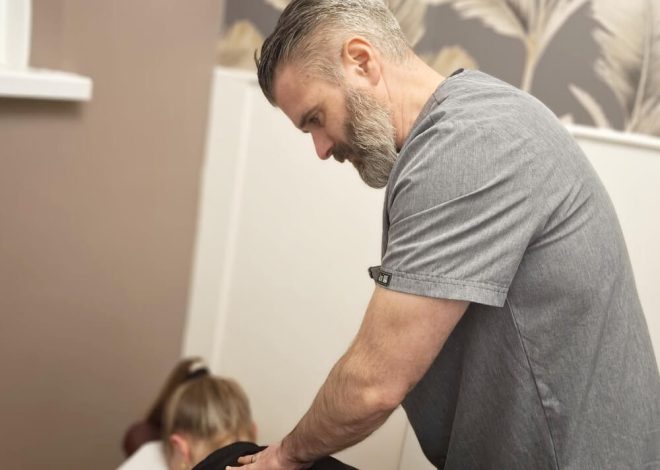
Foam rolling can help some people feel looser, but it should not become a battle. Pressing hard enough to make your eyes water does not prove dedication. A moderate, steady pressure works better for most sore muscles, especially around quads, calves, glutes, and upper back. Pain is information, not a target.
Sleep Is the Recovery Tool People Keep Underusing
Sleep does not look productive, which may be why so many people treat it as optional. Yet muscle repair, hormone regulation, nervous system recovery, and energy restoration all depend on it. A person can buy compression sleeves, massage guns, and premium supplements, but poor sleep will still collect its debt.
American schedules make this hard. Late work emails, early school drop-offs, streaming habits, and long commutes can shrink sleep without anyone noticing until fatigue becomes normal. That “normal” is expensive. It makes workouts feel harder, cravings louder, patience shorter, and recovery slower.
Better sleep starts with boring choices that work. Keep a steady bedtime when possible. Dim screens before bed. Avoid heavy late caffeine. Make the room cool and dark. Treat sleep like part of training, not the thing you do after every other demand wins.
Building a Recovery Routine You Can Keep
A recovery plan only works if it survives real life. The best plan for a college athlete in Texas will not match the best plan for a parent in Ohio squeezing workouts between school pickup and dinner. Your recovery routine should fit your schedule, your training level, and your body’s feedback. The aim is not to copy an influencer’s checklist. It is to build a rhythm you can repeat without resentment.
How to Tell Normal Soreness From Warning Pain
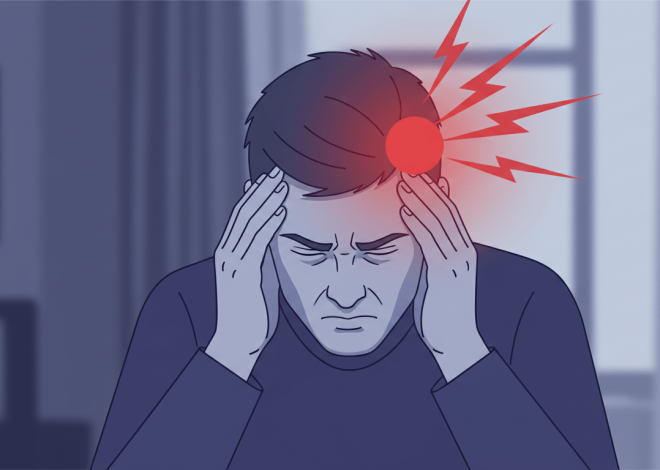
Normal soreness usually feels dull, broad, and symmetrical when both sides worked the same way. It often peaks a day or two after a new or hard workout, then fades. Warning pain feels sharper, more focused, or joint-based. It may alter how you walk, lift, sleep, or move through daily tasks.
That difference matters. A tender chest after pushups is one thing. A stabbing shoulder pain during every press is another. A little quad soreness after hill training is expected. Knee pain that changes your stride deserves respect before it becomes a longer problem.
Pride makes poor medical judgment. If pain is severe, swelling appears, bruising spreads, weakness shows up, or symptoms do not improve, stop guessing and speak with a qualified health professional. Recovery is not about proving toughness. It is about staying able to train next month, not only today.
The Weekly Recovery Plan That Feels Real
A realistic week includes hard days, easier days, and true rest. That balance matters more than any single recovery trick. Two demanding lower-body sessions stacked back to back may look efficient on paper, but your knees, hips, and calves may vote against it fast.
A simple weekly structure can look like this: hard strength training on Monday, light cardio or mobility on Tuesday, moderate training on Wednesday, rest or walking on Thursday, another focused workout on Friday, outdoor activity on Saturday, and a low-pressure Sunday reset. The details can change, but the rhythm stays clear.
Your body likes patterns it can trust. When sleep, food, movement, and training intensity stop changing wildly every week, soreness becomes easier to predict and easier to manage. That is the quiet win most people miss. Recovery is not a side project. It is the system that lets effort keep paying you back.
Conclusion
A strong body is built between workouts as much as during them. The people who improve year after year are not always the ones who train the hardest on a random Tuesday. They are the ones who understand when to push, when to eat, when to move lightly, and when to go to bed instead of chasing one more episode or one more set. Muscle recovery methods work best when they become ordinary, not dramatic. Start with the basics: warm up with purpose, increase training slowly, eat enough protein and carbs, hydrate through the day, use gentle movement when sore, and protect sleep like it belongs on your training plan. Skip the fantasy of perfect recovery. Build a plan that fits your actual American workweek, family schedule, gym access, and energy level. Choose one recovery habit today and practice it for the next seven days, because soreness fades faster when your routine stops fighting your life.
Frequently Asked Questions
What are the best muscle recovery tips after a hard workout?
Start with food, fluids, light movement, and sleep. Eat protein with carbs, drink enough water, and take an easy walk if stiffness sets in. Skip another hard workout for the same muscles until soreness improves and movement feels normal again.
How long does exercise soreness usually last after training?
Most workout soreness lasts between 24 and 72 hours, especially after new exercises or higher training volume. Soreness should gradually fade. Pain that gets worse, feels sharp, or changes how you move should be treated as a warning sign.
Does stretching help sore muscles recover faster?
Gentle stretching can reduce stiffness and help you move more comfortably, but aggressive stretching can irritate sore tissue. Use light mobility work, slow breathing, and relaxed ranges of motion. The goal is comfort and control, not forcing flexibility.
What should I eat for better post-workout recovery?
Choose a meal or snack with protein and carbohydrates. Chicken with rice, eggs with toast, Greek yogurt with fruit, tofu with noodles, or a smoothie with protein and banana can all work. Consistency matters more than a perfect recovery meal.
Is walking good for sore muscles after leg day?
Walking often helps after leg day because it increases circulation without adding heavy strain. Keep the pace easy and stop if your soreness changes into sharp pain. A short walk can make stairs and sitting feel less punishing later.
Should I work out when my muscles are still sore?
Light training can be fine if soreness is mild and movement feels normal. Avoid heavy work for the same muscle group when soreness limits range of motion, affects form, or feels painful. Train another area or choose active recovery instead.
How does sleep affect muscle recovery and soreness?
Sleep gives your body time to repair tissue, restore energy, and calm the nervous system. Poor sleep can make soreness feel stronger and last longer. A steady sleep schedule often improves recovery more than expensive fitness tools.
When should sore muscles be checked by a doctor?
Get checked if pain is sharp, severe, swollen, bruised, one-sided, or linked with weakness. Pain that does not improve after several days also deserves attention. Normal soreness fades; injury pain tends to interrupt daily movement.