Luxury Home Features for Premium Property Buyers
A premium home is not judged by marble alone. Buyers at the upper end of the U.S. market notice how a property lives at 7 a.m., how it hosts at 8 p.m., and how calmly it handles everything between those moments. The best Luxury Home Features make daily life feel private, smooth, and deeply considered without turning the house into a showroom.
That distinction matters because affluent buyers have seen plenty of expensive homes that feel cold, loud, or oddly impractical. Price does not create desire on its own. Thought does. A well-planned estate in Arizona, a penthouse in Miami, or a gated home outside Dallas wins attention when every room solves a real problem with taste. Buyers comparing premium listings often study trusted property insights, market positioning, and lifestyle signals through resources like high-value real estate guidance before they decide what feels worth the money.
Luxury, at its best, removes friction. It gives privacy without isolation, comfort without clutter, and beauty without daily maintenance headaches.
Luxury Home Features That Shape First Impressions
First impressions in premium property happen before anyone reaches the front door. The driveway, gate, lighting, landscape, entry sequence, and sightlines all speak before the listing agent does. A buyer may not say it out loud, but within minutes they decide whether the home feels rare or merely expensive.
Private Arrival Spaces That Feel Controlled and Calm
A strong arrival experience gives the buyer a sense of separation from the outside world. Long driveways, gated entries, motor courts, and covered drop-off areas create a quiet shift from public life into private space. In high-end neighborhoods across California, Florida, Texas, and New York, that moment matters because privacy has become part of the purchase decision.
The mistake many sellers make is treating the entrance as decoration. A grand door means little if delivery trucks, street noise, or awkward parking disrupt the mood. Premium property buyers want the approach to feel managed. Clean paving, hidden drainage, soft lighting, and planted buffers often do more work than oversized columns.
A well-designed arrival also helps the home host without chaos. Guests can park easily, service providers can access the property without crossing private zones, and family members can move in and out without feeling exposed. That is not glamour in the loud sense. It is control, and buyers feel it fast.
Architectural Details That Signal Permanent Value
Great architecture does not beg for attention. It holds the eye because the proportions make sense, the materials age well, and the home looks rooted rather than staged. Stone, wood, steel, glass, and plaster can all feel rich when they are used with restraint and skill.
Premium buyers tend to notice awkward shortcuts. Thin trim, fake beams, hollow doors, poor ceiling transitions, and mismatched hardware can weaken trust in the whole property. Once a buyer spots careless details, they begin wondering what else was handled cheaply behind the walls.
Strong architectural detail does the opposite. It reassures. A curved staircase with proper scale, a fireplace wall built from real stone, or custom millwork that fits the room can make the house feel built for a long future. That feeling carries weight because premium buyers are not only buying space. They are buying confidence.
Smart Comfort and Wellness Amenities for Modern Buyers
Once the first impression lands, comfort becomes the test. A luxury home can photograph beautifully and still fail in person if the air feels stale, the rooms echo, or the technology fights the people living there. The best upscale homes make comfort feel invisible.
How Do High-End Home Amenities Improve Daily Living?
High-end home amenities earn their place when they solve daily problems without asking for attention. Smart lighting scenes, zoned climate control, motorized shades, heated bathroom floors, whole-home audio, and air filtration systems all support the same goal: fewer small irritations.
A buyer walking through a premium home may not inspect every vent or control panel, but they feel the result. The bedroom cools evenly. The kitchen lighting shifts from prep mode to dinner mode. The home theater works without five remotes and a frustrated guest. Small wins stack up.
The counterintuitive truth is that technology should not dominate the home. Nobody wants to feel like they bought a control room. The strongest systems stay quiet, work dependably, and allow manual control when needed. Luxury loses its charm when the owner has to fight the house to lower a shade.
Wellness Spaces That Feel Personal Instead of Trendy
Wellness rooms have moved beyond the occasional treadmill in a spare bedroom. Premium buyers now look for spaces that support recovery, calm, sleep, movement, and mental reset. Home gyms, infrared saunas, cold plunges, massage rooms, yoga studios, steam showers, and meditation gardens can all add appeal when they fit the buyer’s lifestyle.
The weak version feels like a trend checklist. A cramped sauna beside storage boxes does not persuade anyone. A true wellness space feels intentional, with proper ventilation, privacy, lighting, sound control, and room to move.
American buyers with demanding work lives often want the home to become a private refuge. That does not mean every property needs a full spa wing. It means the owner should be able to recover without leaving the address. A quiet primary suite with blackout shades, warm flooring, filtered air, and a spa-level shower may matter more than a flashy amenity that nobody uses after month two.
Luxury Real Estate Design That Balances Beauty and Function
Beauty gets a buyer interested. Function keeps them serious. In premium homes, design must carry both jobs at once because high-net-worth buyers usually have sharper expectations. They do not want to work around a dramatic room that fails at real living.
Why Does Luxury Real Estate Design Need Better Flow?
Luxury real estate design succeeds when rooms connect with purpose. The kitchen should support cooking, gathering, catering, and cleanup without turning every event into a traffic jam. The primary suite should feel separate without being inconvenient. Guest rooms should offer privacy without making visitors feel exiled.
Flow becomes even more important in large homes because wasted space can feel strange. Long dead hallways, oversized rooms with no clear use, and formal spaces that nobody enters can make a property feel dated. Premium property buyers often prefer flexible rooms that adapt to work, guests, fitness, hobbies, or multigenerational living.
A home in Colorado might need gear storage near the garage for skis and hiking equipment. A coastal Florida property may need indoor-outdoor flow that handles wet feet, towels, and storm-season realities. Smart design listens to location. It does not copy a magazine spread and hope life fits around it.
Kitchens and Entertaining Areas That Work Under Pressure
Premium kitchens are no longer judged by appliance brands alone. Buyers expect professional-grade performance, but they also care about layout, storage, lighting, surfaces, and how the space behaves during real hosting. A kitchen that looks clean but lacks prep zones can fail the first time twelve people arrive hungry.
The strongest kitchens create layers. There is a main cooking area, a hidden prep or catering kitchen, a walk-in pantry, beverage refrigeration, and seating that keeps guests close without blocking work. In many luxury homes, the back kitchen has become the quiet hero because it hides mess while the main kitchen stays social.
Entertaining areas need the same honesty. A wine wall looks impressive, but temperature control and access matter. A bar should have storage, refrigeration, water, and enough counter space. Outdoor kitchens need shade, ventilation, durable surfaces, and protection from weather. Design has to survive the party, not merely impress before it starts.
Upscale Home Upgrades That Protect Long-Term Value
A premium property should feel good today and hold its appeal tomorrow. That balance depends on choices that age well. Some upgrades create instant sparkle and quick regret. Others quietly protect comfort, cost, and resale strength for years.
Which Upscale Home Upgrades Matter Most for Resale?
Upscale home upgrades matter most when they improve livability, efficiency, privacy, and durability. Buyers often value new roofing, impact-rated windows, quality insulation, upgraded electrical systems, secure smart access, energy-saving appliances, and strong water management more than sellers expect.
This is where many luxury renovations go wrong. Owners spend heavily on visible finishes while ignoring the systems that keep the home comfortable and safe. A gorgeous primary bath loses its shine if the water pressure is poor. A glass-heavy living room feels less appealing when afternoon heat makes it hard to enjoy.
Energy performance deserves special attention. High-end buyers may not be shopping only to save on utility bills, but they dislike waste and discomfort. Resources like ENERGY STAR help homeowners understand efficient products and performance standards, which can support smarter choices during major upgrades.
Outdoor Living That Feels Like a True Extension of the Home
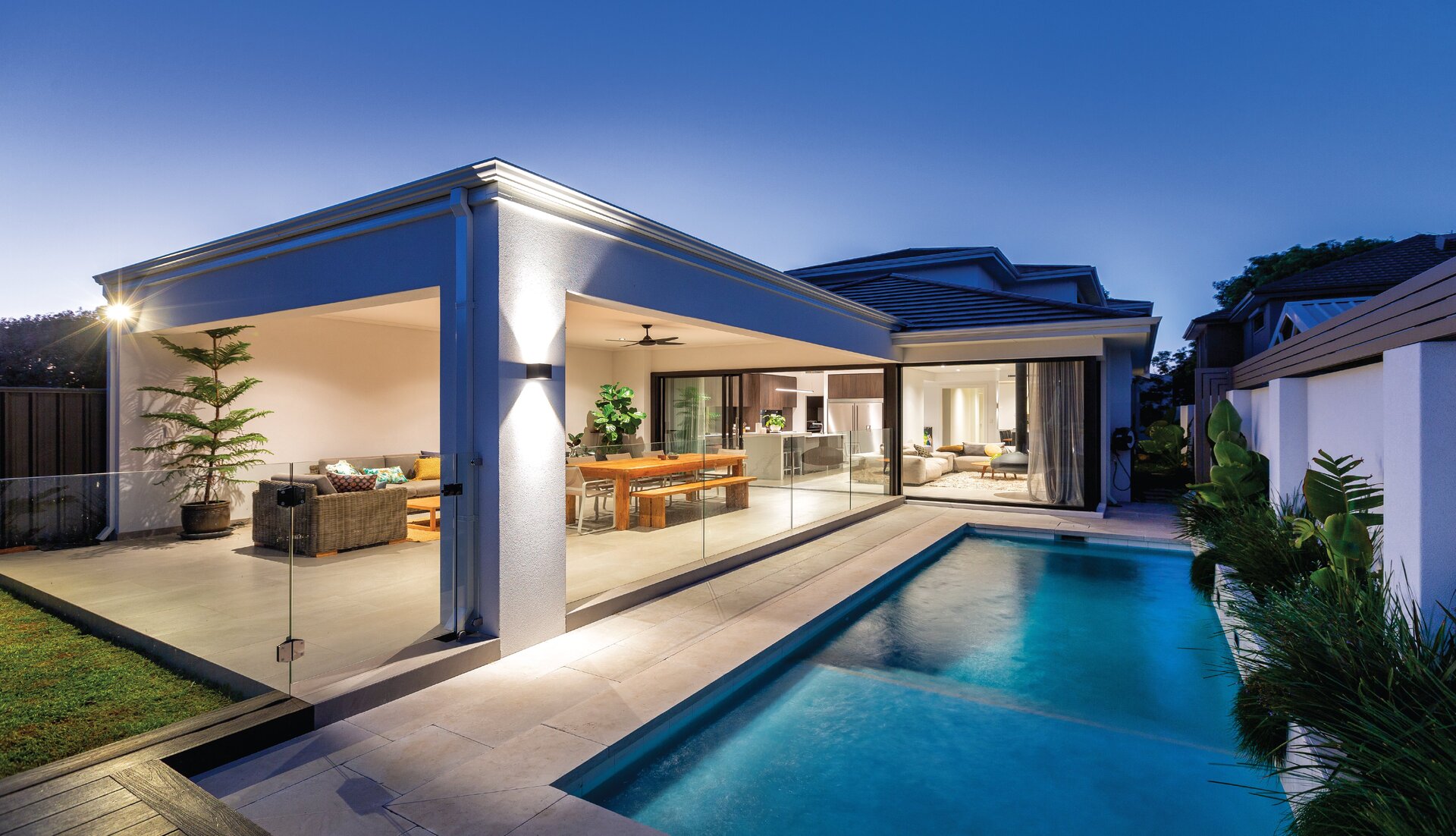
Outdoor living has become one of the strongest value signals in premium U.S. real estate. Buyers want more than a pool and patio. They want outdoor rooms that feel usable across seasons, with shade, heat, lighting, sound, privacy, and easy access to food and drinks.
A strong outdoor plan considers how people behave. Morning coffee needs a different space than a summer party. Kids need sightlines. Guests need seating that encourages conversation. Homeowners need storage, restrooms, and surfaces that do not become a maintenance burden.
The finest outdoor areas feel effortless because someone solved the hard parts in advance. Drainage works after a storm. Plants create privacy without blocking views. Lighting flatters the architecture without blasting the neighbors. The pool feels connected to the house, not dropped into the yard as an afterthought.
Conclusion
The luxury market rewards homes that feel deeply resolved. Buyers may admire rare stone, dramatic ceilings, and custom fixtures, but they commit when the property supports the life they want with ease. That is the standard sellers and builders should keep in mind before spending money on any upgrade.
The smartest Luxury Home Features do not shout. They reduce noise, protect privacy, improve comfort, support health, and make hosting feel natural. They also respect the location, because a premium home in Scottsdale should not solve the same problems as a waterfront home in Naples or a brownstone in Brooklyn.
For homeowners preparing to sell, the best next step is simple: walk through the property as a buyer with high expectations and low patience. Notice every friction point, every weak finish, every room that lacks a clear reason to exist. Then improve what changes daily life, not what merely fills a brochure. Build for the way discerning people actually live, and the home will speak before you ever explain it.
Frequently Asked Questions
What luxury home features do premium buyers notice first?
Premium buyers usually notice privacy, arrival experience, architectural quality, natural light, ceiling height, layout flow, and material choices first. They form an opinion fast, often before seeing every room. A home that feels calm, private, and well-built earns trust early.
Which high-end home amenities add the most value?
Smart climate control, wellness spaces, upgraded kitchens, spa-style bathrooms, secure access systems, outdoor living areas, and strong storage often add the most value. The best amenities improve daily comfort instead of acting like decorative extras that impress once and fade.
Do luxury buyers prefer smart home technology?
Many luxury buyers want smart home technology, but they expect it to feel simple. Lighting, security, shades, climate, audio, and irrigation should work smoothly from one system. Complicated controls can hurt the experience because premium buyers value ease as much as capability.
Are wellness rooms worth adding to a luxury property?
Wellness rooms can be worth adding when they feel planned and usable. A proper gym, sauna, steam shower, or recovery space can appeal strongly to buyers who want privacy and convenience. Poor placement or weak ventilation can make the same feature feel forced.
What outdoor features attract premium property buyers?
Covered lounges, outdoor kitchens, pools, fire features, dining terraces, privacy landscaping, and strong lighting attract premium buyers. Usability matters most. The space should work during different seasons, support hosting, and feel connected to the main home.
How important is kitchen design in a luxury home?
Kitchen design carries major weight because it affects daily living and entertaining. Premium buyers often expect professional appliances, generous storage, strong prep space, hidden mess zones, and natural gathering areas. A beautiful kitchen still fails if it handles real use poorly.
What makes a luxury bathroom feel premium?
A premium bathroom feels private, warm, quiet, and easy to use. Buyers look for quality stone, strong lighting, heated floors, deep storage, large showers, soaking tubs, and excellent water pressure. Comfort matters more than oversized fixtures that waste space.
Should sellers upgrade luxury homes before listing?
Selective upgrades can help when they fix visible weakness, outdated systems, poor lighting, worn finishes, or awkward outdoor areas. Sellers should avoid random cosmetic spending. The best pre-listing improvements remove buyer objections and make the home feel cared for.