
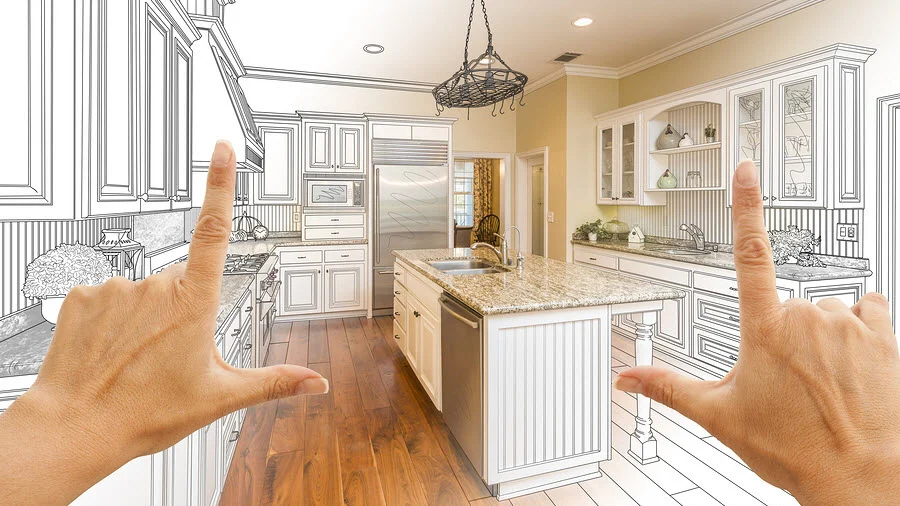
New Construction Buying for Modern Home Shoppers
Buying a newly built home can feel clean, exciting, and strangely unfinished all at once. The model home shines, the sales office smells like fresh paint, and the floor plan looks like it was made for the life you keep picturing after every stressful workweek. That is the pull of new construction buying: you get choice, freshness, and the rare chance to shape a home before anyone else has lived in it. But fresh does not mean simple. In many U.S. markets, builders use their own contracts, preferred lenders, upgrade packages, timelines, and warranty terms. A smart buyer does not walk in dazzled by quartz counters and forget the numbers behind the walls. Start with the lifestyle you want, then slow down enough to study the deal. For broader housing and property decision-making, resources like local real estate market guidance can help buyers think beyond the showroom and focus on long-term fit.
How Modern Buyers Should Read the Builder’s Offer
The sales price is only the front door of the deal. Behind it sit incentives, lot premiums, upgrade costs, closing credits, lender rules, and contract terms that can change the real value of the home. This is where many buyers lose focus. They compare the base price to resale homes nearby, then forget that the home they actually want may cost much more after selections.
Why Builder Contracts Deserve Slow Reading
Builder contracts are not the same as standard resale purchase agreements. In many cases, they protect the builder more than the buyer, especially around delays, substitutions, inspections, deposits, and cancellation rights. That does not make them unfair by default. It means you need to know what you are signing.
A common mistake is assuming the sales agent works like a buyer’s agent. The builder’s representative sells homes for the builder. Your interests may overlap, but they are not identical. If the contract says the builder can change materials with “similar” products, ask what similar means before you sign.
You should also watch deposit language with care. Some builders require larger earnest money amounts, and upgrade deposits may become nonrefundable once ordered. That custom cabinet color can feel harmless in the design center. It feels less harmless when a job transfer or loan issue changes your plans.
How Incentives Can Hide the Real Cost
Builder incentives can be useful, but they rarely exist by accident. A builder may offer closing cost credits, mortgage rate buy-downs, appliance packages, or design center money to keep the headline price steady. That matters because builders often prefer incentives over price cuts that could affect future appraisals in the same community.
The right question is not “What are they giving me?” The better question is “What am I giving up to receive it?” A closing credit tied to a preferred lender may save cash upfront, but another lender could offer a stronger rate, lower fees, or better service.
Ask for the full loan estimate, not a verbal promise. The Consumer Financial Protection Bureau explains that buyers can use a Loan Estimate to compare mortgage costs across lenders, which helps you see beyond sales-office promises and into the actual cost of borrowing through the CFPB home loan process.
New Construction Buying Without Getting Blinded by Upgrades
A beautiful design center can turn practical people into impulse shoppers. That is not a character flaw. It is the point of the room. The lighting, samples, displays, and staged combinations all push you to imagine the finished home at its best. New construction buying works best when you separate what adds daily value from what adds showroom drama.
Which Upgrades Usually Matter Most?
Structural upgrades usually deserve attention before cosmetic ones. Extra square footage, added windows, higher ceilings, electrical planning, plumbing rough-ins, and kitchen layout changes are harder to add later. Paint colors, cabinet hardware, lighting fixtures, and some flooring choices can often be changed after closing with less friction.
Newly built homes tempt buyers with finishes because finishes are easy to see. You can touch the tile. You can compare countertops. You can picture guests noticing the upgraded backsplash. Hidden choices, though, often carry more weight over ten years of living.
Think about how you use space on a hard Tuesday, not during a relaxed weekend tour. Where do school bags land? Where does the dog sleep? Where will you charge phones, store bulk groceries, fold laundry, and hide cleaning supplies? A floor plan either supports those little routines or fights them every day.
When the Base Price Becomes a Trap
The base price can create a false sense of affordability. Builders advertise from a starting number, but many buyers do not want the base version once they see what is missing. The model may include premium flooring, upgraded cabinets, better counters, extra lighting, custom trim, and landscaping that does not come standard.
Ask for a written list of what the model includes. Walk through the home with that list in your hand. Sales teams know buyers fall in love with the finished look, then slowly accept upgrades because the base version feels stripped down.
Set your upgrade ceiling before the design appointment. Better yet, divide it into “must have,” “would enjoy,” and “not worth builder pricing.” This keeps emotion from eating your budget in twenty small bites. One oversized splurge is easy to spot. Fifteen tiny upgrades are sneakier.
What to Check Before You Trust the Timeline
The timeline is where the dream meets weather, labor, materials, permits, inspections, and human error. Buyers often hear a target month and quietly build their life around it. That can create stress if a lease ends, a school year begins, or a rate lock expires before the home is ready.
Why Completion Dates Need Breathing Room
Builders may give estimated closing windows, but many contracts allow delays. A rain-heavy season, municipal inspection backlog, supply shortage, or trade scheduling issue can push the date. The builder may be working in good faith and still miss the first target.
Do not plan your move around the earliest promised date. Plan around the date that protects your housing, storage, school, work, and loan timeline if things slip. That may sound cautious, but it saves buyers from making expensive choices under pressure.
Rate locks deserve special attention. A lender may offer a lock for a set period, and extensions can cost money. Ask what happens if construction runs late. Get the answer in writing. A delayed home and a higher monthly payment can turn excitement into resentment fast.
How Inspections Protect Brand-New Homes
Brand-new does not mean defect-free. Construction involves dozens of people, many trades, tight schedules, and constant handoffs. Even good builders miss things. That is why independent inspections matter for newly built homes.
Consider three checkpoints when possible: pre-drywall, final inspection, and an inspection before the warranty period ends. The pre-drywall visit can reveal framing, electrical, plumbing, and HVAC issues before walls cover them. The final inspection checks function, finish, grading, drainage, roof details, and safety items.
Do not let anyone make you feel difficult for hiring your own inspector. A good builder should prefer a clean, documented process. You are not trying to catch someone. You are trying to move into a home with fewer surprises.
Making the Home Fit Beyond Closing Day
A house can look right on paper and still age poorly for your life. The best decision is not only about square footage, finishes, or the monthly payment. It is about how the home, community, commute, costs, and resale path work together after the shine wears off.
How Community Rules Shape Daily Life
Many new communities come with homeowners associations, design rules, rental restrictions, parking limits, landscaping standards, and amenity fees. These rules can protect neighborhood appearance, but they can also frustrate buyers who expect more freedom.
Read the HOA documents before you commit. Look for rules around fences, exterior changes, short-term rentals, pets, guest parking, work vehicles, sheds, and home businesses. A rule that seems minor during purchase can become personal once you live under it.
Move-in ready communities also carry unfinished-neighborhood realities. Construction traffic, dust, noise, temporary roads, and changing views may last longer than expected. That empty field behind the lot may later become homes, apartments, retail space, or a drainage area. Ask directly, then verify through local planning records when possible.
Why Resale Thinking Still Matters
Some buyers avoid resale thinking because they plan to stay for years. That feels loyal to the dream, but life does not always follow the floor plan. Jobs change. Families grow. Parents move in. Rates shift. A home that resells well gives you options.
Look for features with broad appeal: functional kitchens, sensible bedroom placement, storage, energy performance, natural light, good parking, and a location that does not depend on one fragile selling point. Home warranty coverage also matters because buyers want confidence that early defects will not become their burden.
Do not over-customize beyond the neighborhood’s price range. If surrounding homes sell at a certain ceiling, pouring money into rare finishes may feel great but return little. Taste is personal. Market value is less sentimental.
Conclusion
The strongest buyers walk into the sales office with excitement and restraint in equal measure. They enjoy the clean lines, fresh materials, and design choices, but they do not hand the builder control of every decision. They ask better questions. They read the contract. They price the upgrades. They protect the timeline. They inspect the work.
New construction buying rewards people who can admire the dream without losing sight of the deal. That is the real skill. A new home should give you a better daily life, not a prettier version of financial stress. Before you sign, step back and test the home against your budget, routine, timeline, and future resale path. Choose the house that works after the model-home feeling fades. Then move forward with confidence, not pressure.
Frequently Asked Questions
What should buyers check first when buying a newly built home?
Start with the builder contract, total price, included features, upgrade costs, lot premium, estimated timeline, and warranty terms. The model home can distract you, so review the written details before getting attached to finishes or incentives.
Are builder preferred lenders always the best choice?
Not always. Preferred lenders may offer closing credits or rate buy-downs, but you should compare the full loan estimate with at least one outside lender. The lowest upfront cost does not always mean the best long-term mortgage.
Should I hire an inspector for a brand-new house?
Yes. A new home can still have construction defects, missed items, drainage problems, or installation errors. Independent inspections give you written proof of issues before closing and help you request fixes while the builder is still involved.
Which upgrades are worth paying for in a new home?
Structural and hard-to-change upgrades often matter most, such as added windows, electrical planning, plumbing rough-ins, layout changes, and ceiling height. Cosmetic upgrades can be worth it too, but many are easier to change later.
How long does it take to close on new construction?
The timeline depends on permits, weather, labor, materials, inspections, and the stage of construction when you sign. A finished inventory home may close fast, while a dirt-start build can take several months or longer.
What is a lot premium in a new home community?
A lot premium is an extra charge for a specific homesite. Builders may charge more for larger lots, corner lots, cul-de-sac positions, views, privacy, or better placement inside the community. Always compare the premium to long-term value.
What does a builder warranty usually cover?
Builder warranties often cover workmanship, systems, and structural items for different time periods. Coverage varies by builder and state, so read the warranty booklet carefully and ask how claims are handled after closing.
Can buyers negotiate with home builders?
Yes, but negotiation may focus more on incentives than price. Builders may offer closing credits, appliance packages, rate buy-downs, design center credits, or lot adjustments. Strong negotiation starts with knowing local inventory and competing builder offers.