
Anxiety Control Methods for Calmer Daily Life
Anxiety has a way of making ordinary moments feel louder than they should. A packed inbox, a missed call, a grocery store line, or a late-night thought can suddenly feel like proof that something is wrong. For many Americans, Anxiety Control Methods matter because daily life now runs at a pace the nervous system was never designed to carry without pauses. The goal is not to erase every anxious feeling. That is not realistic, and it is not even healthy. Anxiety can warn you, prepare you, and keep you alert when life asks for care. The problem starts when it becomes the driver instead of the signal. That is where practical habits, body-based calming skills, and better thought patterns begin to change the day. Trusted resources such as the National Institute of Mental Health describe anxiety disorders as involving fear or worry that can interfere with work, school, relationships, and daily routines, while the CDC recommends stress-supportive habits such as breathing, journaling, time outdoors, and breaks from constant media exposure. For readers building a wellness content plan, a smart health communication strategy can also help make reliable guidance easier to find.
Anxiety Control Methods That Start With the Body
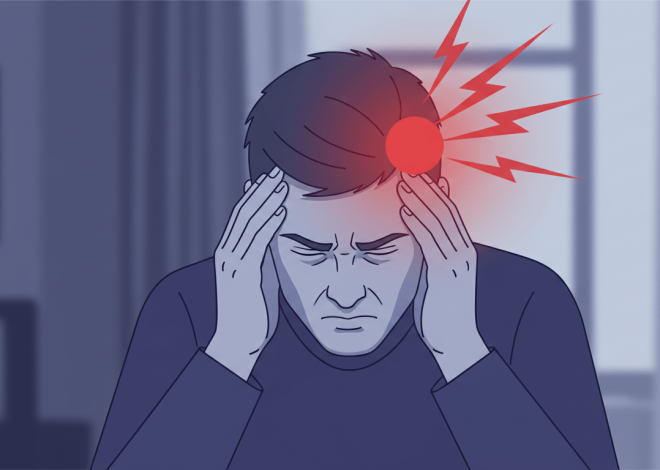
A calmer mind often begins below the neck. People try to “think their way out” of anxiety, then blame themselves when logic does not work fast enough. That misses the point. Anxiety is not only a thought problem; it is also a body alarm. Your breathing changes, your muscles tighten, your stomach turns, and your attention scans for danger. When the body feels safer, the mind gets better evidence to work with.
Breathing techniques for anxiety relief
Breathing is the fastest tool most people ignore until panic has already climbed too high. Shallow breathing tells the body to stay on alert, while slower breathing gives the nervous system a different message. You do not need a perfect meditation setup. You need a repeatable pattern you can use in a parked car, at your desk, or before walking into a hard conversation.
Start with a simple five-minute reset. Breathe in through your nose at a calm pace, then let the exhale last a little longer than the inhale. The NHS also recommends gentle breathing that moves down into the belly without force, often using a steady count during the inhale and exhale. That last part matters. Forced breathing can make anxious people feel trapped inside the exercise, while gentle breathing gives the body permission to soften.
Box breathing can help when your mind feels scattered. Inhale for four counts, pause, exhale for four counts, then pause again. The American Lung Association describes box breathing as a known stress-reduction practice, though some people do better when they focus on softening the body during the pauses. The point is not to perform calm. The point is to give your body one steady rhythm when your thoughts have lost theirs.
Muscle relaxation for daily stress patterns
Anxiety often hides in the jaw, shoulders, hands, and hips long before you notice it in your thoughts. That is why progressive muscle relaxation works so well for people who say, “I don’t know why I’m anxious.” The body knows. It has been holding the answer all afternoon.
Progressive muscle relaxation asks you to tense one muscle group, release it, then notice the contrast. The American Psychiatric Association describes this method as moving through the body while tensing and releasing muscles, which can help people become more aware of tension. A person working from home in Ohio, for example, may discover that every video call leaves their shoulders lifted toward their ears. Awareness turns that pattern from invisible pressure into something they can interrupt.
This method works best when you practice before anxiety peaks. Try it at night, after lunch, or before checking messages in the morning. Waiting until panic arrives is like learning to swim during a storm. Practice in calm water first, and your body remembers the skill when the day gets rough.
Building Calmer Thought Patterns Without Fighting Your Mind
Once the body settles a little, the mind becomes easier to work with. That does not mean every anxious thought deserves a debate. Some thoughts need attention, some need distance, and some need to pass through without becoming a full courtroom drama. The skill is learning which is which.
Cognitive behavioral therapy techniques at home
Cognitive behavioral therapy, often called CBT, focuses on the connection between thoughts, feelings, and actions. The American Psychological Association describes CBT as a treatment approach that targets current problems and works on changing patterns that keep symptoms going. At home, you can borrow one of its most practical ideas: thoughts are not commands.
A useful exercise is the “evidence check.” Write the anxious thought in plain language. Then write what supports it, what does not support it, and what a fairer version might sound like. A person in Texas worried about getting fired after one awkward meeting may write, “My manager seemed short today.” That is evidence of a mood, not proof of disaster.
The goal is not forced positivity. Forced positivity insults the part of you that is scared. Better thinking sounds balanced, not fake. “I did not like how that meeting felt, but I have no clear proof that my job is at risk” gives your brain something solid to stand on.
Mental grounding exercises for anxious moments
Grounding pulls attention out of the threat loop and back into the room. Anxiety often drags your mind into the future, where every possible outcome starts acting like a fact. Grounding says, “Come back here. This minute is the only one you can work with.”
The classic five-senses method works because it gives the brain a job. Name five things you see, four things you feel, three things you hear, two things you smell, and one thing you taste. It may sound too simple until you use it during a crowded subway ride in New York or before a medical appointment in Phoenix. Then the simplicity becomes the point.
Another grounding move is object focus. Hold a pen, key, mug, or fabric edge. Describe its weight, texture, color, temperature, and shape. The mind cannot fully rehearse catastrophe and study a real object with care at the same time. Attention is a limited resource. Spend it on the present, and anxiety has less room to stage its production.
Daily Habits That Lower Anxiety Before It Spikes
No calming method works well when the rest of life keeps pouring fuel on the fire. Sleep, food, movement, screen habits, and social contact shape anxiety more than people want to admit. This is not a moral lecture about wellness. It is a practical truth: your nervous system lives inside your routine.
Sleep and morning routines for calm
Poor sleep makes anxiety louder because the brain has less energy for emotional control. A tired mind treats small problems like large threats. That is why the morning after bad sleep can feel sharp around the edges before anything has even happened.
A calmer morning starts the night before. Set clothes out, decide breakfast, place keys in one spot, and charge your phone away from the bed when possible. These small choices reduce early decision load. A parent in Florida trying to get two kids to school does not need a perfect sunrise routine. They need fewer avoidable frictions before 8 a.m.
Morning light also helps anchor the day. Step outside for a few minutes, open the blinds, or walk around the block before checking the phone. The CDC recommends time outdoors, movement, breathing, and breaks from news and social media as healthy ways to cope with stress. That advice lands because it is plain. Your brain cannot reset while you feed it panic headlines before breakfast.
Healthy lifestyle habits for anxiety management
Food and movement do not “cure” anxiety, but they influence how intense it feels. Skipping meals can mimic anxiety symptoms through shakiness, irritability, and racing thoughts. Too much caffeine can do the same. Many people think they are mentally falling apart when their body is asking for breakfast and water.
Movement gives anxious energy somewhere to go. A ten-minute walk after work can change the tone of an evening, especially for people who sit under fluorescent lights all day. It does not need to be a gym plan. Walking the dog, stretching in the kitchen, cleaning one room, or taking stairs at the office can help discharge tension.
Social rhythm matters too. Anxiety grows in isolation because private fear rarely gets challenged. A short call with a trusted friend, a weekly class, a faith gathering, or a neighborhood walk can remind the brain that safety is also social. Not every solution comes from inside your head. Sometimes calm arrives through another steady person.
When Self-Help Needs Stronger Support
Self-help is valuable, but it has limits. There is strength in knowing when anxiety needs more than breathing, journaling, and better sleep. Americans often wait too long because they think therapy means failure. That belief keeps people stuck. Getting support is not surrender; it is a smarter use of help.
Signs anxiety needs professional care
Professional care becomes worth serious consideration when anxiety disrupts work, school, sleep, eating, driving, parenting, or relationships. It also matters when avoidance starts shrinking your life. Skipping one party may not mean much. Skipping every invitation, refusing calls, avoiding stores, or turning down career chances tells a different story.
Physical symptoms deserve attention too. Chest tightness, dizziness, stomach distress, trembling, and shortness of breath can appear with anxiety, but medical causes should be ruled out when symptoms are new, intense, or confusing. A primary care doctor can help sort what belongs to anxiety and what needs other testing.
NIMH notes that treatments for anxiety disorders can include psychotherapy, medication, or both, depending on the person and the condition. Therapy is not only for crisis. It can teach skills, reveal patterns, and give you a place to practice facing fears without being swallowed by them.
Creating a personal calm plan
A calm plan works better than a vague promise to “handle stress better.” Write down what early anxiety feels like in your body, what usually triggers it, and which tools help at low, medium, and high intensity. This turns anxiety management from guesswork into a map.
A useful plan might look like this: at low anxiety, take a walk or journal for five minutes; at medium anxiety, use breathing and delay major decisions; at high anxiety, call a support person, reduce stimulation, and use a grounding method. Keep the list short. A long plan becomes another task to avoid.
The strongest Anxiety Control Methods are the ones you can repeat on an ordinary Tuesday. They do not depend on perfect motivation, expensive tools, or a personality makeover. Choose one body skill, one thought skill, one routine change, and one support step. Practice them before life gets loud. Calm grows through repetition, and repetition turns relief into something you can trust.
Frequently Asked Questions
What are the best anxiety control methods for daily life?
The best methods combine body calming, thought reframing, and routine support. Slow breathing, grounding, muscle relaxation, balanced self-talk, steady sleep, movement, and reduced screen overload work better together than alone. Pick a few habits you can repeat daily instead of chasing a perfect plan.
How can breathing exercises help calm anxiety fast?
Breathing exercises slow the body’s alarm response by giving your nervous system a steadier rhythm. Longer exhales, belly breathing, and box breathing can reduce the feeling of panic when practiced gently. They work best when you use them early, before anxiety reaches its highest point.
What daily habits make anxiety easier to manage?
Consistent sleep, regular meals, light movement, outdoor time, and fewer early-morning phone checks can make anxiety less intense. These habits lower stress pressure before it builds. They may look ordinary, but they create the stable base your nervous system needs.
How do I stop anxious thoughts from taking over?
Write the thought down, check the evidence, and create a fairer version of the story. Do not argue with every thought all day. Treat anxious thoughts as signals, not instructions. The more distance you build, the less power each thought carries.
When should I see a therapist for anxiety?
Therapy is a smart step when anxiety affects sleep, work, relationships, driving, school, or daily choices. It also helps when avoidance keeps growing. You do not need to wait for a crisis. Early support often prevents anxiety from becoming harder to manage.
Can exercise reduce anxiety symptoms naturally?
Movement can reduce anxious tension by giving stress energy a physical outlet. Walking, stretching, cycling, dancing, or light strength training can all help. The goal is consistency, not intensity. A short daily walk often beats an ambitious plan you rarely do.
Are grounding exercises useful during panic?
Grounding exercises can help during panic because they pull attention back to the present. Naming objects, noticing textures, or using the five-senses method gives the brain a concrete task. Panic feeds on future fear, so present-focused attention can reduce its grip.
How long does it take to feel calmer with anxiety habits?
Some tools, like breathing or grounding, can help within minutes. Deeper change usually comes from repeated practice over weeks. Anxiety patterns build through repetition, and calmer patterns do too. Small daily actions matter more than one intense effort followed by nothing.